
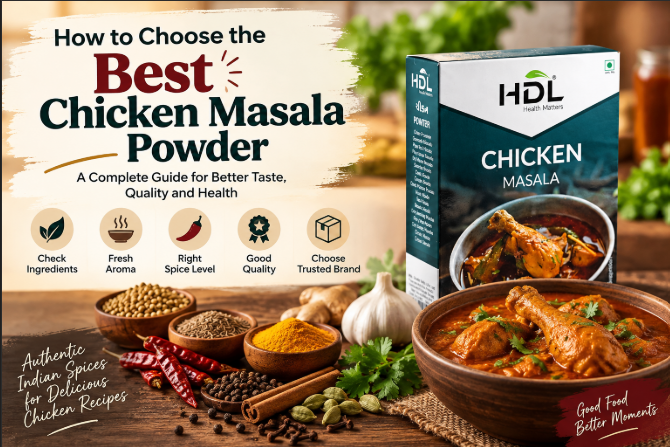
Choosing the right chicken masala powder can make a big difference to the taste, aroma, and overall quality of your chicken dishes. With so many brands and spice blends available, it can be difficult to know which one is the right choice.
The best chicken masala powder should provide a balanced combination of spices, a fresh aroma, good colour, and consistent flavour. Whether you are cooking chicken curry at home, preparing food for a restaurant, or sourcing spices for a retail business, checking the quality of the masala is important.
For buyers involved in the global food trade, quality becomes even more important. An experienced Indian Food Exporter can help businesses source authentic Indian spice products that meet their market requirements.
In this guide, we will explain how to choose the best chicken masala powder and what you should check before buying it.
What Is Chicken Masala Powder?
Chicken masala powder is a blended spice mix designed to add flavour, aroma, colour, and depth to chicken dishes. It usually contains a combination of spices such as coriander, cumin, chilli, turmeric, black pepper, ginger, garlic, cardamom, cinnamon, cloves, and other aromatic ingredients.
However, the exact recipe can vary from one manufacturer to another. Some blends are mild and aromatic, while others are hot and strongly spiced.
Therefore, choosing the right chicken masala depends on your taste preference and how you plan to use the product.
A good masala should not overpower the natural flavour of chicken. Instead, it should create a balanced taste where the spices work together.
Why Choosing the Right Chicken Masala Matters
The quality of the spice blend can directly affect your final dish. Even when you use fresh chicken and high-quality ingredients, an unbalanced masala may result in a dish that tastes too spicy, bitter, weak, or overly salty.
On the other hand, a well-made chicken masala can help you achieve:
- Better flavour
- Richer aroma
- Consistent taste
- Attractive colour
- Easier cooking
- Balanced spice levels
For restaurants, food manufacturers, and international retailers, consistency is especially important. Customers expect the same taste every time they purchase or consume a product.
1. Check the Ingredient List
The first step is to read the ingredient list carefully.
A quality chicken masala should contain clearly identified spices and ingredients. Look for a blend that matches the type of flavour you want.
Common ingredients may include:
| Coriander | Cumin | Red Chilli |
| Turmeric | Black Pepper | Ginger |
| Garlic | Cinnamon | Cloves |
| Cardamom | Fennel | Bay Leaf |
The order and proportion of ingredients can affect the final flavour. For example, a blend with more chilli may provide stronger heat, while a blend with aromatic spices may create a richer fragrance.
Therefore, do not choose a product based only on its packaging. Always check the ingredient information.
2. Consider the Spice Level
Not everyone enjoys the same level of heat.
Some people prefer a mild chicken curry with a rich aroma. Others enjoy a hot and spicy preparation. Therefore, check the spice level before purchasing your masala.
If you are buying chicken masala for a family, a medium-spice blend can be a practical choice. You can always add extra chilli according to individual preferences.
For restaurants and food businesses, it is useful to choose a blend that matches the taste preferences of your target customers.
3. Look for Fresh Aroma
Aroma is one of the easiest ways to judge a spice blend.
Fresh chicken masala should have a noticeable and pleasant spice aroma. The fragrance should come from the natural spices used in the blend.
If the powder has a stale, musty, or unusual smell, it may not be fresh.
Fresh spices usually provide a more enjoyable cooking experience because their natural oils contribute to the aroma and flavour of the dish.
Therefore, whenever possible, choose products from reliable manufacturers and suppliers with proper storage and packaging practices.
4. Check the Colour
Colour can also provide useful information about chicken masala powder.
A good spice blend generally has a natural colour based on its ingredients. Turmeric can contribute yellow tones, while chilli and other spices can add red or brown shades.
However, colour alone should never be the deciding factor.
A very bright colour does not automatically mean better quality. Instead, focus on the complete product, including its ingredients, aroma, packaging, freshness, and manufacturer information.
5. Choose Properly Packaged Masala
Spices can lose their aroma and freshness when exposed to air, moisture, heat, and sunlight.
That is why packaging matters.
Look for chicken masala that comes in properly sealed packaging. The packaging should protect the powder from moisture and contamination.
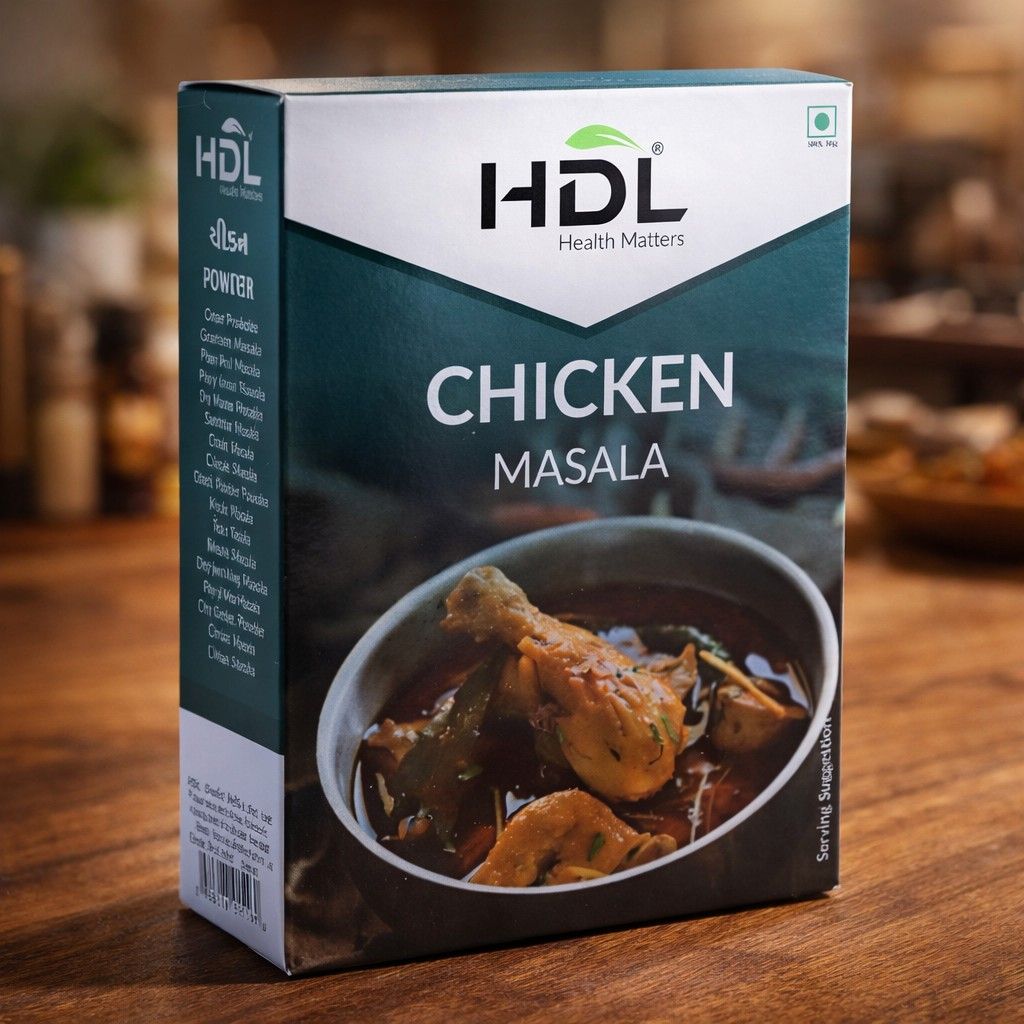
Depending on the market, chicken masala may be available in:
- Pouches
- Jars
- Bottles
- Sachets
- Bulk packs
For retail consumers, smaller packs can be convenient. For restaurants, wholesalers, and distributors, larger packs may offer better value.
6. Check the Manufacturing and Expiry Dates
Always check the manufacturing date and expiry or best-before information.
Spices are best when they retain their natural aroma and flavour. Over time, the fragrance and flavour of ground spices can gradually decrease.
Therefore, choose products with suitable shelf life and store them properly after opening.
For businesses purchasing in bulk, shelf life becomes even more important. A reliable supplier should provide clear product information and appropriate packaging for storage and transportation.
7. Consider the Intended Dish
Different chicken dishes can benefit from different spice profiles.
For example, a masala designed for a traditional chicken curry may not have the same flavour profile as a blend intended for grilled or roasted chicken.
Before buying, think about how you will use the product.
You can consider chicken masala for:
- Chicken curry
- Butter chicken
- Chicken tikka
- Tandoori chicken
- Chicken biryani
- Grilled chicken
- Spicy chicken fry
- Restaurant-style chicken dishes
If you regularly prepare different recipes, you may prefer more than one spice blend.
8. Check the Brand and Manufacturer
The manufacturer behind a masala can tell you a lot about the product.
Established spice manufacturers usually have better processes for sourcing, blending, packaging, and quality control. However, brand recognition alone should not be your only consideration.
Instead, look for a manufacturer or supplier that provides transparent product information.
For international buyers, this becomes even more important. Businesses involved in Indian Spices exports need suppliers who understand product quality, packaging, documentation, and international market requirements.
A dependable supplier can make the sourcing process smoother and help maintain consistency across orders.
9. Think About Your Target Market
If you are buying chicken masala for commercial purposes, your target market should influence your decision.
Taste preferences can vary between countries and regions. Some customers prefer mild spice blends, while others look for strong chilli heat and bold flavours.
Retailers should therefore understand their customers before selecting a product.
For example, an ethnic grocery store may want a traditional Indian flavour profile. Meanwhile, a mainstream supermarket may prefer a milder blend with simple cooking instructions.
Understanding your customer can help you select the right product and packaging format.
10. Consider Bulk Buying and Export Requirements
Businesses that purchase spices for distribution need to consider more than flavour.
They should also evaluate:
- Product consistency
- Packaging options
- Shelf life
- Minimum order quantities
- Product specifications
- Quality standards
- Documentation
- Shipping requirements
- Supplier reliability
This is particularly relevant to companies involved in Indian grocery exports.
A professional supplier can help businesses source chicken masala and other Indian food products for different international markets.
The broader Indian food industry also includes Indian Pulses exports, rice, snacks, ready-to-eat foods, spice blends, and other grocery products. Therefore, choosing a supplier with experience across multiple categories can be useful for importers and distributors.
What Makes a Good Chicken Masala Powder?
There is no single formula that works for everyone. However, a good chicken masala should offer a balanced combination of flavour, aroma, colour, and spice.
Here is a simple checklist:
| Factor | What to Look For |
| Ingredients | Clearly listed spices |
| Aroma | Fresh and pleasant |
| Spice level | Suitable for your target taste |
| Colour | Natural-looking spice colour |
| Packaging | Sealed and moisture-resistant |
| Shelf life | Adequate remaining shelf life |
| Manufacturer | Reliable and transparent |
| Consistency | Similar flavour between batches |
This checklist can help both household consumers and commercial buyers make a more informed decision.
How to Store Chicken Masala Powder
Even a high-quality masala can lose its freshness if it is stored incorrectly.
After opening the packet, keep the masala in an airtight container. Store it in a cool and dry place away from direct sunlight.
Avoid keeping the container near steam, the kitchen sink, or other sources of moisture.
Also, always use a dry spoon when taking out the masala. Moisture can affect the texture and freshness of the powder.
Proper storage helps preserve the aroma and flavour for longer.
Why Indian Chicken Masala Is Popular Worldwide
Indian cuisine is known for its diverse use of spices. Chicken masala combines several of these traditional flavours into a convenient blend.
As demand for Indian food continues to grow in international markets, spice blends have become useful products for both consumers and food businesses.
Indian spice products are also an important part of broader international food exports. Importers, distributors, supermarkets, restaurants, and food manufacturers can source different Indian products according to their market needs.
Along with chicken masala, international buyers may source turmeric, chilli powder, cumin, coriander, garam masala, curry powder, pulses, rice, snacks, and other Indian grocery products.
For this reason, working with an experienced exporter can help businesses simplify sourcing and build a reliable supply chain.
Final Thoughts
Choosing the best chicken masala powder does not have to be complicated. Start by checking the ingredients, spice level, aroma, colour, packaging, shelf life, and manufacturer. Then consider how you plan to use the product and who will consume it.
For home cooks, the right masala can make everyday chicken recipes more flavourful and convenient. For restaurants, retailers, wholesalers, and importers, selecting a consistent product can help deliver a better customer experience.
If you are looking for a dependable partner for Indian spices, grocery products, pulses, and other food categories, working with an experienced Indian Food Exporter can make sourcing easier.
From chicken masala and other spice blends to broader Indian Spices exports, Indian grocery exports, and Indian Pulses exports, choosing a supplier with suitable product knowledge and international market experience can support long-term business growth.
For businesses looking to source authentic Indian food products for international markets, HDL Global offers a broad range of Indian food and grocery products for export.
Frequently Asked Questions
Look for a clear ingredient list, fresh aroma, suitable spice level, good packaging, adequate shelf life, and a reliable manufacturer.
It depends on the blend. Chicken masala can be mild, medium, or hot. Always check the product description or label before buying.
Store it in an airtight container in a cool, dry place away from moisture, heat, and direct sunlight.
Yes. Depending on the blend, it can also be used for chicken tikka, grilled chicken, chicken fry, biryani, and other recipes.
Good packaging helps protect ground spices from moisture, air, heat, and contamination, helping preserve their aroma and flavour.
International buyers should consider product quality, consistency, packaging, shelf life, specifications, documentation, order quantities, shipping requirements, and supplier reliability.
Look for an experienced supplier with clear product information, consistent quality, suitable packaging, export experience, and the ability to meet your market requirements.