
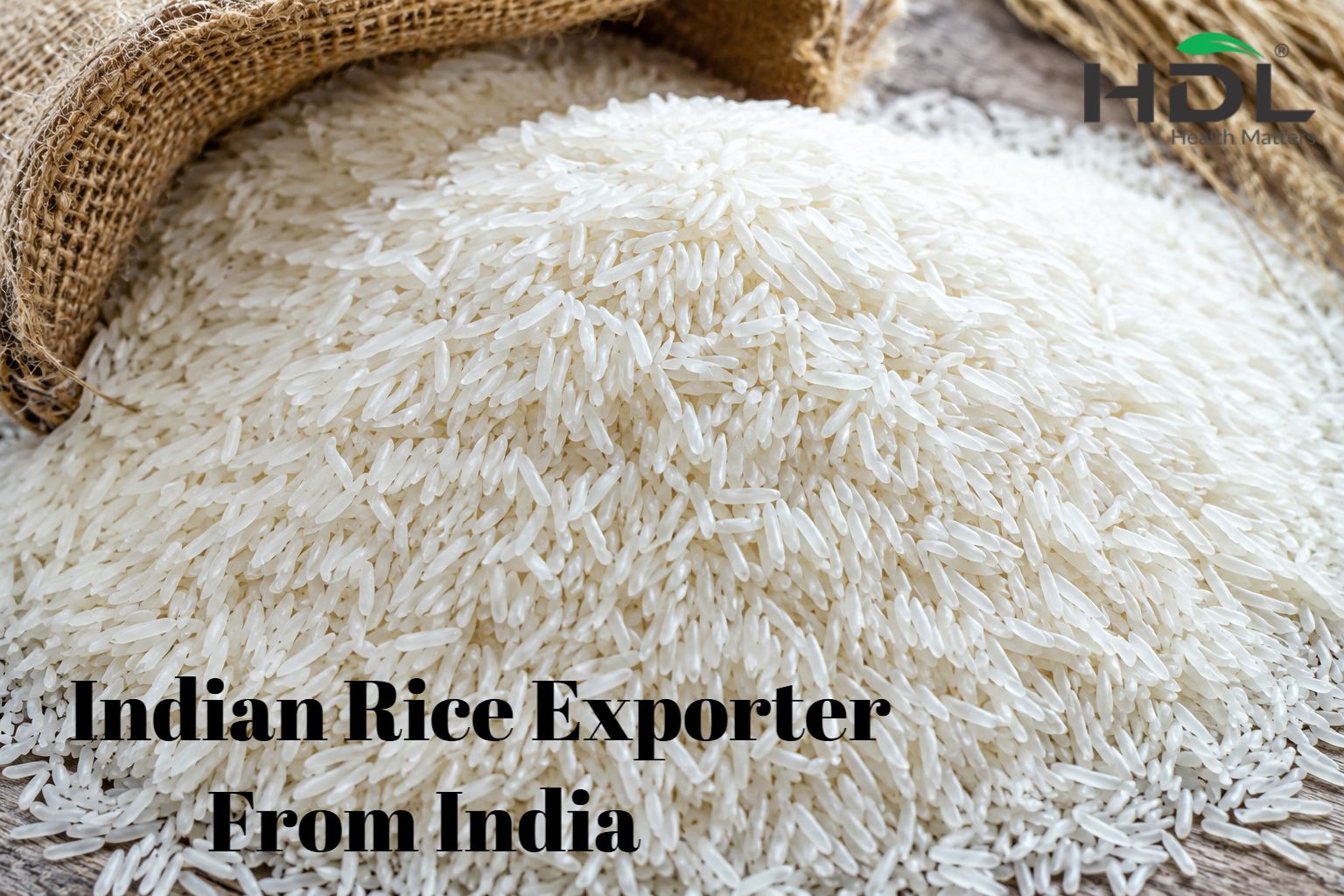
India is one of the world’s leading sources of premium rice, spices, pulses, and other food products. Among these products, Basmati rice has a special position in international markets. Its long grains, pleasant aroma, delicate texture, and excellent cooking quality make it popular across restaurants, retailers, wholesalers, and food distributors.
For international buyers, choosing the right Basmati rice exporter from India is an important business decision. A reliable exporter does more than supply rice. They help buyers maintain consistent quality, meet import requirements, manage packaging, and build a dependable supply chain.
India’s strong agricultural base and established export infrastructure make it an attractive sourcing destination. Buyers can also benefit from working with suppliers that offer a wider portfolio of Indian food products. This makes it easier to consolidate shipments and source multiple products from one trusted partner.
This guide explains why India is an important Basmati rice sourcing destination, what global buyers should consider when selecting an exporter, and how Indian rice exports fit into the wider international food trade.
Why Choose a Basmati Rice Exporter from India?
Basmati rice is strongly associated with the Indian subcontinent. Indian Basmati varieties are valued for their distinctive aroma, slender grains, and ability to elongate during cooking.
For global buyers, sourcing directly from an experienced Indian exporter can provide several advantages.
1. Access to premium rice varieties
Indian suppliers can offer different Basmati rice specifications based on buyer requirements. These may include traditional Basmati, aged Basmati, steam rice, parboiled rice, and other commercially available varieties.
Different markets have different preferences. For example, retail customers may look for premium aged rice, while food-service buyers may focus more on cooking performance and price consistency.
2. Flexible packaging options
Packaging plays an important role in international food distribution. Exporters can provide different pack sizes depending on the target market and sales channel.
Common formats include:
- Retail consumer packs
- Bulk bags for wholesalers
- Food-service packaging
- Private-label packaging
- Custom-branded packaging
This flexibility allows importers and distributors to develop products that match local customer expectations.
3. Established export capabilities
India has a mature agricultural and food-processing ecosystem. As a result, experienced exporters understand the requirements involved in international shipments.
They can coordinate activities such as product sourcing, quality checks, documentation, packaging, logistics, and shipment planning.
4. Competitive sourcing opportunities
India’s large agricultural production base creates opportunities for competitive sourcing. However, price should not be the only factor.
A lower purchase price does not always mean a better business deal. Consistent quality, reliable delivery, suitable packaging, documentation, and communication can have a much greater impact on long-term profitability.
Understanding Basmati Rice Quality for Global Markets
Quality is one of the first things international buyers should evaluate when selecting an exporter.
Basmati rice is often assessed based on several characteristics. These include grain length, aroma, appearance, moisture, broken grain percentage, cooking performance, and overall consistency.
For commercial buyers, consistency is particularly important.
A supermarket or restaurant cannot easily change its product expectations every time a shipment arrives. Therefore, exporters need reliable sourcing and quality-control processes.
Buyers should discuss their exact specifications before placing an order. Important considerations may include:
- Rice variety
- Grain length
- Aged or non-aged rice
- Raw, steam, or parboiled processing
- Moisture specifications
- Broken percentage
- Packaging requirements
- Private-label requirements
- Destination-country regulations
Clear specifications help reduce misunderstandings and make quality evaluation easier.
The Growing Demand for Indian Grocery Exports
Basmati rice is only one part of India’s international food portfolio. Global consumers are increasingly interested in authentic Indian ingredients and packaged foods.
This has created opportunities for businesses involved in Indian grocery exports.
Indian grocery products are now available through ethnic supermarkets, mainstream retailers, restaurants, wholesalers, online stores, and food-service distributors in many international markets.
Rice is often a key product in these supply chains. However, importers may also source spices, pulses, flour, snacks, ready-to-cook products, and other Indian grocery categories.
For distributors, sourcing several product categories from a single exporter can simplify procurement. It can also help reduce communication and logistics complexity.
Indian Spices Exports and Their Role in Global Food Trade
India is famous for its diverse range of spices. Turmeric, cumin, coriander, chilli, cardamom, black pepper, and other spices are used in kitchens around the world.
The growth of Indian Spices exports reflects the continuing demand for authentic flavours and ingredients.
For international buyers, the combination of rice and spices can be commercially attractive. Restaurants, food manufacturers, wholesalers, and ethnic supermarkets may require both categories throughout the year.
A reliable exporter can help buyers source products according to their required specifications and packaging formats.
Quality is especially important for spices because factors such as aroma, colour, cleanliness, moisture, and processing can affect the final product.
Therefore, importers should work with suppliers that follow appropriate quality-control procedures and provide the documentation required for their destination market.
Indian Pulses Exports for International Buyers
Pulses are another important category in India’s food export industry. Lentils, chickpeas, kidney beans, pigeon peas, and other pulses are widely used in Indian cuisine.
The demand for Indian Pulses exports is supported by both Indian-origin consumers and international consumers who enjoy plant-based foods.
Pulses are also relevant to the growing global interest in affordable protein sources. As a result, wholesalers, grocery retailers, food-service companies, and food manufacturers can find opportunities in this category.
When sourcing pulses internationally, buyers should consider product variety, size, cleanliness, moisture, packaging, shelf life, and destination-country requirements.
An exporter with experience across rice, pulses, and other grocery categories can provide a more streamlined sourcing experience.
How Basmati Rice Fits into International Food Exports
The global food industry depends on reliable international supply chains. Products grown in one country can be processed, packaged, shipped, and sold thousands of kilometres away.
This makes quality and supply-chain management essential.
For Indian suppliers, international food exports require attention to several stages of the process.
Product sourcing
The process begins with selecting suitable raw materials and reliable suppliers. Product quality at the sourcing stage directly affects the finished export product.
Processing and quality control
Rice and other food products need to be processed according to the required specifications. Quality checks help identify issues before products are packed and shipped.
Packaging
Packaging must protect the product during transportation and storage. It should also meet the requirements of the target market.
For retail products, packaging can also support brand recognition and customer communication.
Documentation
International food shipments involve documentation and regulatory requirements. These can vary depending on the destination country, product category, and shipment structure.
Experienced exporters understand the importance of accurate documentation and timely coordination.
Logistics
After products are prepared, the exporter coordinates shipment logistics. Depending on the destination and order size, buyers may use different shipping arrangements.
Good communication between the exporter, importer, freight partners, and customs representatives helps reduce delays.
What Global Buyers Should Look for in a Basmati Rice Exporter
Selecting the right exporter is one of the most important steps in international sourcing.
A professional supplier should be able to answer questions clearly and provide relevant product information.
Here are some important factors to evaluate.
Product quality and consistency
Ask for detailed specifications and understand how the exporter maintains quality from sourcing to shipment.
Export experience
Experience with international buyers can be valuable. Exporters familiar with global markets are generally better prepared to handle documentation, packaging, shipping, and buyer communication.
Product portfolio
If your business sells multiple Indian food products, consider whether the exporter can supply more than rice.
A wider portfolio may include:
- Basmati and non-Basmati rice
- Indian spices
- Pulses
- Flour and grains
- Indian grocery products
- Packaged foods
- Private-label food products
Packaging capabilities
Ask whether the exporter can supply retail, bulk, food-service, or private-label packaging.
Communication
International trade involves many moving parts. Clear communication can prevent costly misunderstandings.
A good exporter should provide clear information about product specifications, pricing, lead times, documentation, and shipment status.
Market compliance
Food regulations differ from one country to another. Buyers should confirm that the supplier understands the requirements applicable to their destination market.
Building a Long-Term Partnership with an Indian Exporter
International food sourcing should be viewed as a long-term relationship rather than a single transaction.
A successful partnership develops through consistent quality, transparent communication, reliable shipments, and mutual understanding.
Buyers can strengthen this relationship by providing clear product specifications and forecasts whenever possible.
Similarly, exporters can add value by communicating proactively about production schedules, packaging, shipment timelines, and market requirements.
Over time, this can create a more predictable supply chain.
Why India Remains an Important Food-Sourcing Destination
India has a strong position in the global food industry because of its agricultural diversity, food-processing capabilities, large supplier base, and established export ecosystem.
The opportunity extends beyond Basmati rice.
International buyers can explore rice, spices, pulses, grains, packaged foods, and other Indian grocery categories through experienced suppliers.
For businesses seeking a broader sourcing strategy, working with an established Indian Food Exporter can simplify procurement across multiple product categories.
Instead of managing several supplier relationships, buyers may be able to consolidate products through a qualified export partner.
This can improve purchasing efficiency while creating opportunities for more competitive international food distribution.
Frequently Asked Questions :
Indian Basmati rice is known for its long, slender grains, distinctive aroma, texture, and cooking performance. These qualities make it popular among households, restaurants, retailers, and food-service businesses.
Look for an exporter with consistent product quality, international trade experience, suitable packaging options, clear communication, reliable logistics, and an understanding of your destination-market requirements.
Yes. Many Indian food exporters offer private-label opportunities. Buyers can discuss product specifications, packaging, branding, order quantities, and labeling requirements with the exporter.
Many exporters offer broader portfolios that can include spices, pulses, grains, packaged foods, and other Indian grocery products. Product availability varies by supplier.
Consolidating products through one reliable exporter can simplify communication, procurement, documentation, and shipment coordination. It may also make it easier to build a long-term supply relationship.
Basmati rice is supplied to numerous international markets. However, import rules, labeling requirements, food standards, and documentation can vary by destination. Buyers should verify the requirements applicable to their country.
Conclusion
Basmati rice continues to be one of India’s most recognized food products in international markets. Its quality, aroma, grain characteristics, and versatility make it suitable for retailers, restaurants, wholesalers, distributors, and food-service businesses.
However, successful international sourcing depends on more than selecting a good product. Buyers need a reliable exporter that can provide consistent quality, suitable packaging, accurate documentation, dependable logistics, and clear communication.
The opportunity also extends beyond rice. India’s strong food ecosystem supports Indian grocery exports, Indian Spices exports, and Indian Pulses exports, giving international buyers the opportunity to build broader product portfolios.
For companies looking to expand their sourcing strategy, partnering with an experienced Indian Food Exporter can create a more efficient route into India’s diverse food supply chain.
As demand for authentic, high-quality Indian food continues to grow, Indian suppliers are well positioned to serve the needs of global distributors and retailers. A reliable Basmati rice exporter can therefore become more than a product supplier—it can become a valuable long-term partner for international food exports.