
Introduction
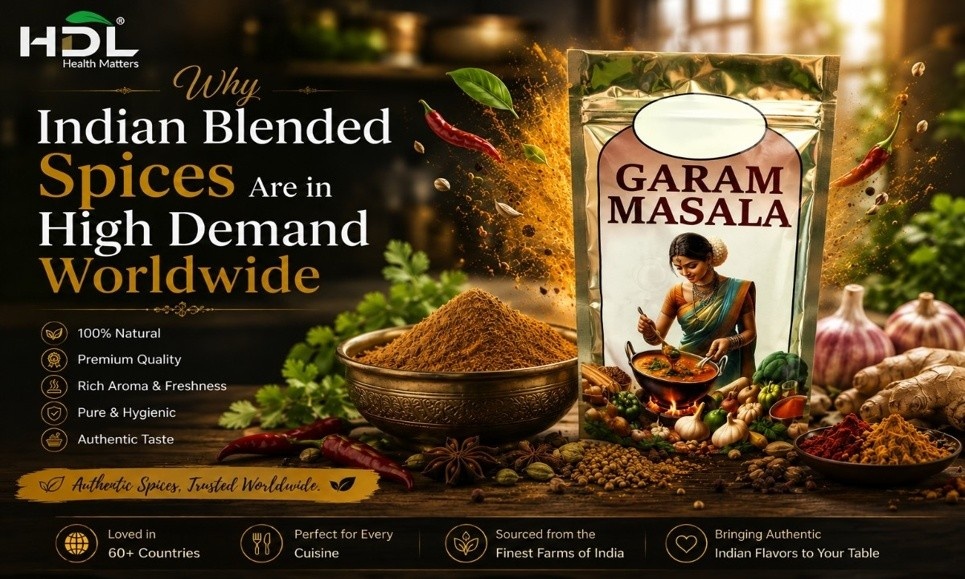
Walk into any kitchen around the world. Chances are, you will find at least one Indian spice on the shelf. From turmeric to garam masala, Indian spices have become a global staple. However, it is not just individual spices that are winning hearts. Indian blended spices are now driving a massive shift in the global demand for Indian spices.
Today, buyers from Europe, the Middle East, North America, and Southeast Asia are actively sourcing Indian spice blends. This growing appetite is pushing the Indian spice export market to record highs. So, what is making Indian blended spices so irresistible to the world? Let us explore the key reasons behind this extraordinary demand.
The Rise of the Indian Spice Export Market
India has always been the world’s largest producer and exporter of spices. However, in recent years, the Indian spice export market has undergone a major transformation. Demand is no longer limited to raw spices. Value-added products like blended spices are now taking centre stage.
According to the Spices Board of India, spice exports have grown consistently year after year. Countries like the United States, the United Kingdom, Germany, the UAE, and Australia are among the top buyers. Furthermore, emerging markets in Africa and Southeast Asia are also showing strong interest.
This shift is opening new doors for Indian masala exporters who invest in quality processing, modern packaging, and compliance with international food safety standards.
Why Is the Global Demand for Indian Spices Growing?
Several powerful factors are driving the global demand for Indian spices. Here is a closer look at each one.
1. The Growing Love for World Cuisines
People worldwide are becoming more adventurous with food. Indian cuisine, in particular, has gained a massive following across continents. Restaurants, home cooks, and food brands all want authentic Indian flavours. As a result, demand for ready-to-use Indian blended spices has never been higher.
2. The Indian Diaspora Effect
Millions of Indians live outside India. They carry their food culture with them. This diaspora drives significant demand for authentic Indian spice blends in their adopted countries. Supermarkets in the UK, USA, Canada, and Australia now dedicate entire sections to Indian grocery products. This trend directly benefits Indian masala exporters who serve these markets.
3. Rising Health Awareness
Consumers around the world are becoming more health-conscious. Therefore, they are paying closer attention to what goes into their food. Indian spices have been used for centuries in Ayurveda and traditional medicine. Ingredients like turmeric, cumin, coriander, and black pepper are known for their anti-inflammatory, digestive, and immunity-boosting properties.
This growing interest in natural wellness is also fuelling demand for organic Indian spices. Buyers prefer spices that are free from synthetic pesticides, artificial colours, and chemical preservatives. For this reason, exporters who offer certified organic Indian spices have a clear competitive advantage.
4. The Food Processing Industry Boom
Large-scale food manufacturers worldwide are incorporating Indian spice blends into their products. Ready-to-eat meals, sauces, marinades, soups, and snack seasonings all use Indian spice blends. This industrial demand adds a strong layer of growth to the Indian spice export market beyond retail buyers.
5. Social Media and Food Culture
Food content on platforms like Instagram, YouTube, and TikTok has made Indian cooking more accessible and popular. When millions of people around the world try cooking Indian food at home, they need the right spice blends. This has created a direct boost in retail demand for Indian blended spices.
Benefits of Indian Blended Spices for Global Buyers
Understanding the benefits of Indian blended spices helps explain why importers and retailers keep coming back. Here are the most important advantages.
Authentic Flavour in Every Dish
Indian blended spices are made using time-tested recipes. Each blend delivers consistent, authentic taste. Buyers who use these spice blends can offer their customers an unmatched flavour experience. This is difficult to replicate with locally sourced spices.
Convenience and Time-Saving
Sourcing, measuring, and mixing individual spices takes time and skill. Indian blended spices eliminate this challenge. A single pack of garam masala or curry powder can transform a dish instantly. For food businesses, this convenience directly improves kitchen efficiency.
Rich Nutritional Value
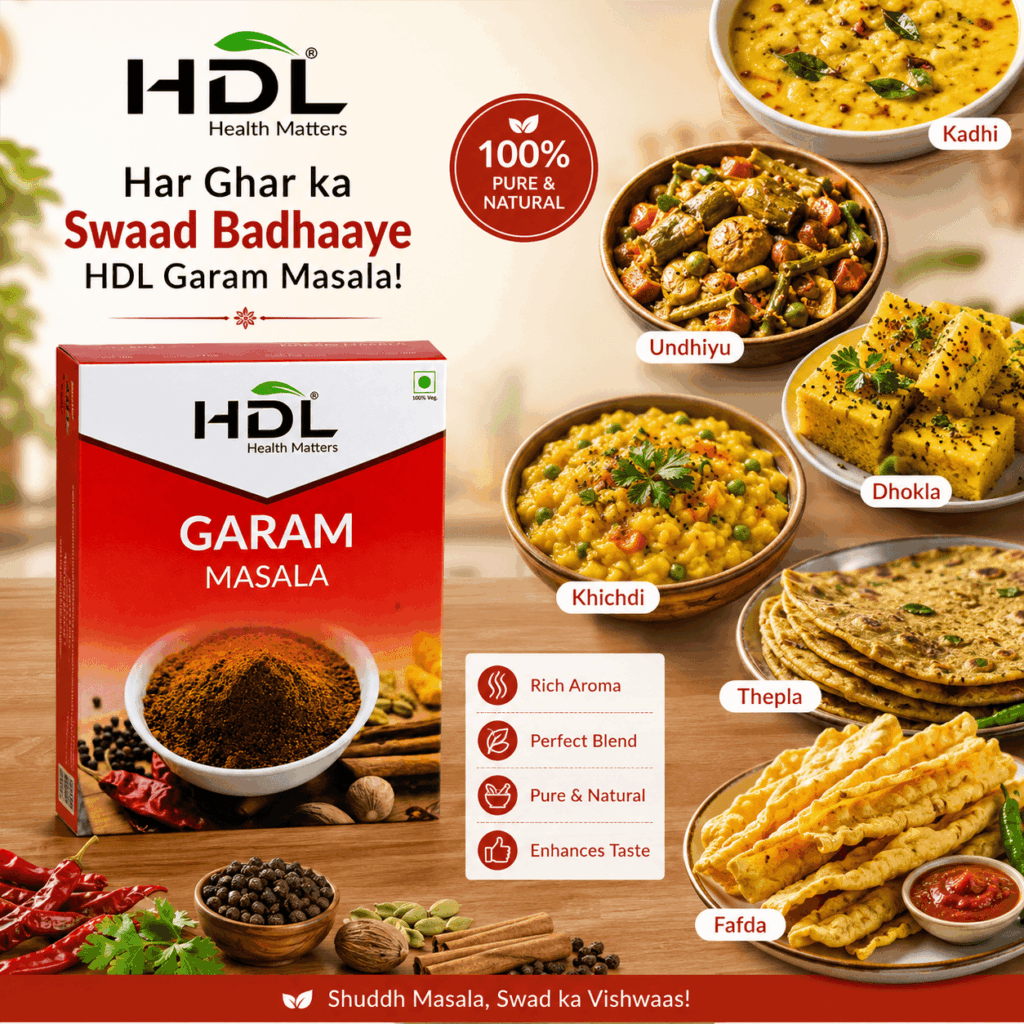
One of the standout benefits of Indian blended spices is their nutritional profile. Most blends contain multiple spices that work synergistically. For example, garam masala combines black pepper, cloves, cinnamon, cardamom, and cumin. Together, these ingredients support digestion, circulation, and overall immunity.
Long Shelf Life with Proper Packaging
Modern processing technology allows Indian masala exporters to package blended spices with extended shelf life. Vacuum-sealed and airtight packaging preserves aroma, colour, and potency for months. This makes Indian blended spices ideal for international shipping and long-term storage.
Wide Variety for Every Cuisine
Indian blended spices are incredibly versatile. They cater to vegetarian, vegan, and Jain diets. Whether a buyer is in Germany, Japan, or South Africa, they can find a blend that fits their local cuisine. This flexibility makes Indian blended spices a top choice for global importers.
The Growing Role of Organic Indian Spices
The demand for organic Indian spices is growing rapidly. Health-conscious consumers in developed markets like Europe and North America actively seek out organic-certified products. They are willing to pay a premium for spices that are grown without harmful chemicals.
India is well-positioned to meet this demand. Many Indian farmers are shifting to organic cultivation methods. Additionally, reputable Indian masala exporters are securing certifications like USDA Organic, EU Organic, and India Organic to meet international standards.
Exporting organic Indian spices not only commands better prices but also builds long-term trust with international buyers. This segment is expected to see double-digit growth in the coming years.
How Indian Masala Exporters Are Meeting Global Standards
Quality is the backbone of India’s spice export success. Leading Indian masala exporters follow strict quality control processes. These include:
- Sourcing from trusted farms to ensure raw material purity
- Modern processing facilities that maintain hygiene and freshness
- International certifications such as FSSAI, ISO 22000, HACCP, and Spice Board certifications
- Consistent lab testing for moisture, contamination, and adulteration
- Sustainable packaging that meets international import regulations
These practices ensure that Indian blended spices arriving at global ports meet every quality benchmark. As a result, buyers across 25+ countries trust Indian exporters for their spice requirements.
India’s Competitive Advantage in the Spice World
India holds a unique position in the global spice industry. The country’s diverse climate allows it to grow a wide variety of spices. States like Kerala, Gujarat, Rajasthan, Karnataka, and Andhra Pradesh are major spice-producing hubs.
This natural abundance gives Indian masala exporters access to fresh, high-quality raw materials throughout the year. Combined with low production costs and skilled labour, India can offer premium spice blends at highly competitive prices. No other country can match this combination.
Furthermore, India’s long history with spices gives its blends an authenticity that is hard to replicate. Buyers worldwide recognise this. They trust the “Made in India” label when it comes to spices.
Frequently Asked Questions (FAQs)
Indian blended spices are in high demand because they offer authentic flavour, nutritional benefits, and cooking convenience. The growing popularity of Indian cuisine, rising health awareness, and the expanding Indian diaspora have all contributed to the global demand for Indian spices reaching record levels.
The most popular Indian blended spices exported globally include garam masala, curry powder, chaat masala, tandoori masala, sambar powder, and chole masala. These blends are widely used in home kitchens, restaurants, and the food processing industry across 25+ countries.
The main benefits of Indian blended spices include rich and authentic flavour, high nutritional value, cooking convenience, long shelf life, and wide versatility across different cuisines. They also contain natural ingredients known for their anti-inflammatory and immunity-boosting properties.
India is the world’s largest producer and exporter of spices. The Indian spice export market has grown consistently year after year, with key buyers in the USA, UK, UAE, Germany, and Australia. Value-added products like blended spices are now the fastest-growing segment of this market.
Yes. Many leading Indian masala exporters now offer certified organic Indian spices that are free from synthetic pesticides, artificial colours, and chemical preservatives. These are certified under international standards such as USDA Organic, EU Organic, and India Organic.
Conclusion
The world’s growing love for bold, authentic flavours has placed Indian blended spices at the centre of global food culture. The global demand for Indian spices is not a passing trend. It is a deep, structural shift driven by changing food habits, rising health awareness, and the expanding Indian diaspora.
The benefits of Indian blended spices — from superior flavour and nutrition to convenience and versatility — make them an attractive choice for buyers across every continent. Meanwhile, the rise of organic Indian spices is opening premium new markets for exporters who meet international quality standards.
The Indian spice export market is set to grow even further in the years ahead. For importers, retailers, and food businesses looking for a reliable partner, now is the perfect time to connect with experienced Indian masala exporters who can deliver quality, consistency, and trust.