
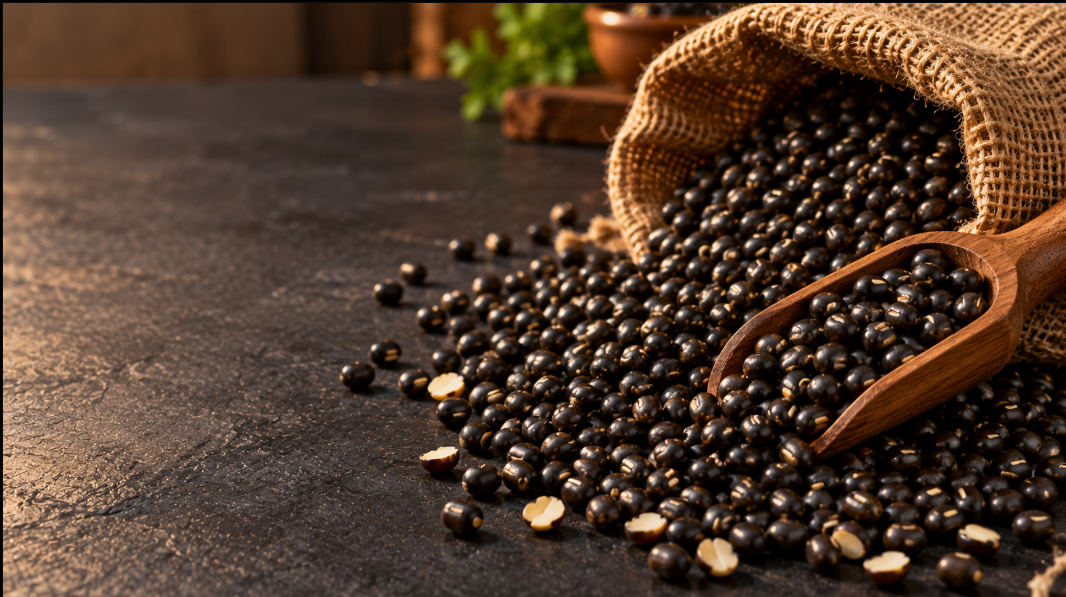
Whole urad dal is a popular ingredient in Indian cuisine, known for its rich taste, versatility, and nutritional value. Also called black urad dal or whole black gram, it is widely used to prepare traditional Indian dishes such as dal makhani, curries, and regional recipes. Whether you want to explore its nutritional benefits or learn how to cook it, whole urad dal is a valuable addition to a balanced diet.
In this guide, we will explore the benefits of whole urad dal, its common uses, nutritional value, and simple cooking tips.
What Is Whole Urad Dal?
Whole urad dal is a type of pulse made from the entire black gram, scientifically known as Vigna mungo. Unlike split and dehusked urad dal, whole urad dal retains its black outer skin, giving it a distinctive appearance and earthy flavour.
It is commonly used in Indian households to prepare dals, curries, and other traditional dishes. Whole black urad dal is particularly popular in North Indian cuisine, where it is often slow-cooked with spices to develop a rich and creamy texture.
Nutritional Value of Whole Urad Dal
Whole urad dal provides several important nutrients that support a balanced diet. Its nutritional composition may vary depending on the variety and preparation method.
Key nutrients include:
- Protein: Helps support muscle maintenance and body tissue repair.
- Dietary Fibre: Supports healthy digestion and regular bowel movements.
- Complex Carbohydrates: Provide energy for daily activities.
- Iron: Helps the body produce haemoglobin.
- Folate: Supports normal cell growth and development.
- Magnesium and Potassium: Contribute to normal muscle and nerve function.
Including whole urad dal in a varied diet can help increase the intake of plant-based protein, fibre, and essential minerals.
Top Health Benefits of Whole Urad Dal
1. Provides Plant-Based Protein
Whole urad dal is a useful source of plant-based protein, making it suitable for vegetarian diets. Protein plays an important role in muscle maintenance, tissue repair, and several essential body functions.
Pairing urad dal with grains such as rice or wheat can help provide a more balanced combination of dietary amino acids.
2. Supports Healthy Digestion
Whole black urad dal contains dietary fibre, which supports digestive health and regular bowel movements. However, some people may experience gas or bloating after eating legumes. Soaking the dal and cooking it thoroughly may improve tolerance.
3. Helps Support Energy Levels
Whole urad dal contains complex carbohydrates that provide energy. It also supplies protein and other nutrients that contribute to a balanced diet.
4. Contributes to Iron Intake
Iron is essential for haemoglobin production, which helps transport oxygen throughout the body. Whole urad dal can contribute to daily iron intake, especially when included in a varied diet.
Pairing plant-based iron sources with vitamin C-rich foods, such as lemon or tomatoes, can improve iron absorption.
5. Supports a Balanced Diet
Whole urad dal provides a combination of protein, fibre, carbohydrates, and minerals. Adding it to meals alongside vegetables, whole grains, and other protein sources can help improve overall dietary variety.
Note: These are general nutritional benefits. Whole urad dal is not a treatment or cure for any medical condition.

Popular Uses of Whole Urad Dal
Whole urad dal is a versatile ingredient that can be used in many traditional Indian recipes.
Dal Makhani
Dal makhani is one of the best-known dishes made with whole black urad dal. It is slow-cooked with spices, tomatoes, and other ingredients to create a rich and creamy dish.
Traditional Urad Dal Curry
Whole urad dal can be cooked with onions, tomatoes, garlic, ginger, and Indian spices to prepare a flavourful curry for everyday meals.
Punjabi-Style Whole Urad Dal
Punjabi-style whole urad dal is often prepared with aromatic spices and slow cooking. It pairs well with roti, naan, or steamed rice.
Sprouted Urad Dal
Whole urad dal can also be sprouted and used in selected recipes. Proper hygiene and safe sprouting practices are important, and sprouts should be cooked thoroughly when food safety is a concern.
How to Cook Whole Urad Dal
Cooking whole urad dal properly helps soften the beans and improve their texture.
Ingredients
- 1 cup whole black urad dal
- 3–4 cups water, or as needed
- 1 onion, finely chopped
- 1 tomato, chopped
- Ginger and garlic
- Cumin seeds and turmeric
- Salt and other spices to taste
Cooking Method
Step 1: Wash the Dal
Rinse the whole urad dal thoroughly under clean running water to remove dust and other impurities.
Step 2: Soak Overnight
Soak the dal in plenty of water for approximately 6–8 hours or overnight. Drain and rinse before cooking.
Step 3: Cook Until Soft
Add the soaked dal and fresh water to a pressure cooker. Cook until the beans are soft, following the cooker’s instructions and allowing pressure to release safely.
Step 4: Prepare the Masala
Heat oil or ghee in a separate pan. Add cumin seeds, onion, ginger, garlic, tomato, turmeric, and your preferred spices. Cook until the mixture is well combined.
Step 5: Combine and Simmer
Add the cooked dal to the masala. Simmer for 10–15 minutes, adding water as needed to achieve your preferred consistency.
Serve hot with rice, roti, or naan.
Whole Urad Dal vs Split Urad Dal
Whole urad dal and split urad dal come from the same pulse, but they differ in appearance, texture, and cooking time.
| Feature | Whole Urad Dal | Split Urad Dal |
| Appearance | Black outer skin retained | Split into smaller pieces |
| Texture | Hearty and firm when cooked | Generally softer |
| Cooking Time | Usually longer | Usually shorter |
| Common Uses | Dal makhani and traditional curries | Dal preparations, batters, and other recipes |
| Preparation | Often benefits from soaking | Soaking depends on the recipe |
The best option depends on your recipe and preferred texture.
Tips for Buying and Storing Whole Black Urad Dal
Choosing and storing whole urad dal correctly helps maintain its quality.
- Check the appearance: Choose dal with a consistent colour and minimal broken pieces.
- Buy from a reliable supplier: Look for clean packaging and clear product information.
- Store in an airtight container: Keep the dal in a cool, dry place away from moisture.
- Avoid direct sunlight: Excessive heat and moisture can affect storage quality.
- Check before use: Discard dal showing signs of mould, insects, or an unusual smell.
Properly stored dried whole urad dal can remain usable for an extended period, depending on storage conditions and packaging instructions.
FAQ’s :
Yes. Whole urad dal generally refers to black gram that retains its black outer skin. It is also commonly called whole black urad dal.
Whole urad dal provides plant-based protein, dietary fibre, carbohydrates, iron, folate, and other minerals that contribute to a balanced diet.
Soaking for around 6–8 hours or overnight is commonly recommended because it helps soften the beans and can reduce cooking time.
Cooking time depends on the age of the dal, soaking duration, cooking equipment, and desired texture. Pressure cooking is generally faster than cooking in a regular pot.
Popular options include dal makhani, Punjabi-style urad dal, traditional dal curries, and other regional Indian preparations.
Store dried whole urad dal in an airtight container in a cool, dry place. Follow the package instructions and protect it from moisture and pests.
Conclusion
Whole urad dal is a versatile pulse that adds flavour, texture, plant-based protein, and dietary fibre to everyday meals. From traditional dal makhani to simple homemade curries, it can be used in a wide range of Indian recipes.
Understanding its nutritional value, cooking methods, and storage requirements can help you make better use of this traditional ingredient. Whether you are preparing a family meal or exploring Indian cuisine, whole black urad dal is a practical ingredient to include in a balanced diet.