
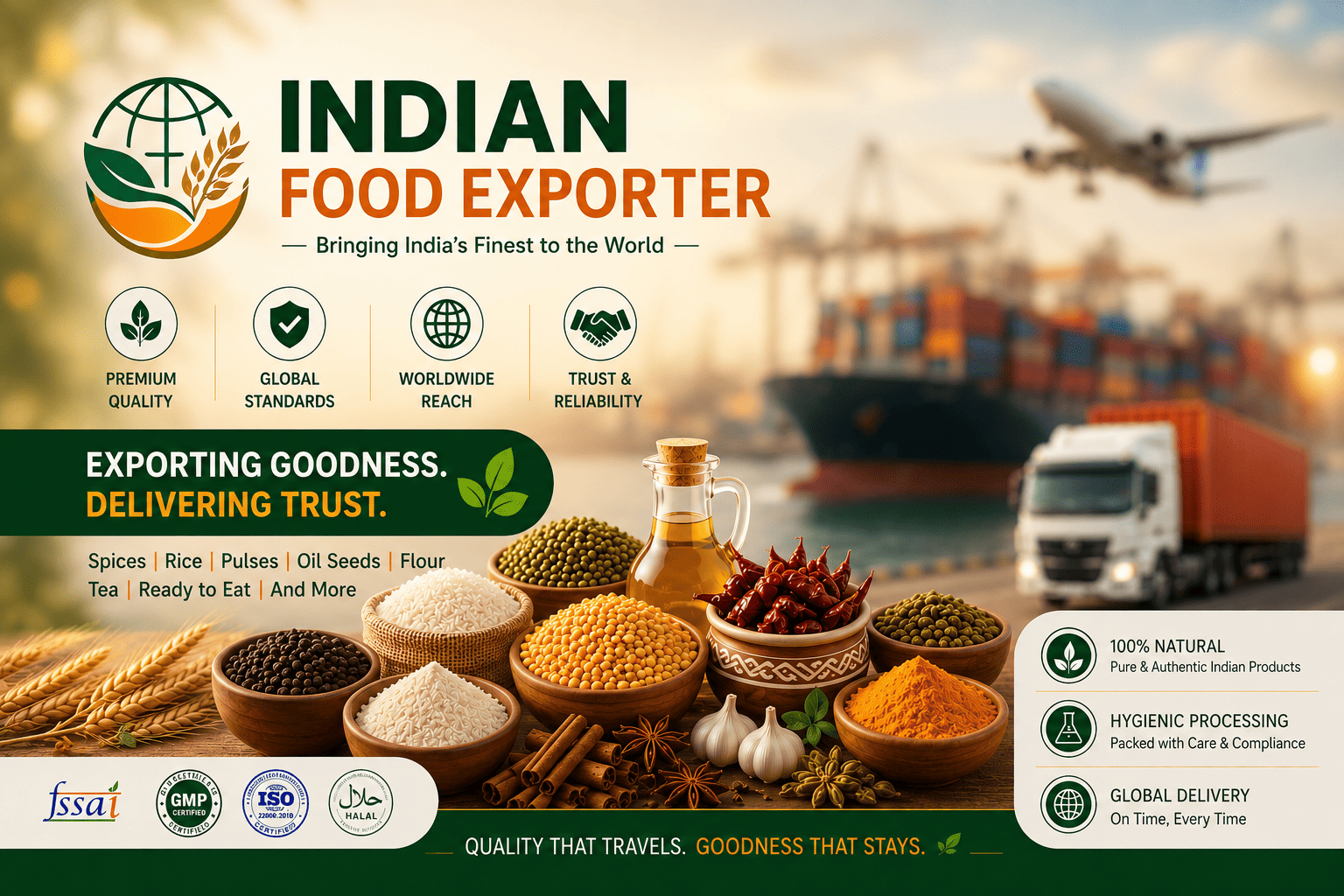
Saudi Arabia is one of the most important trading partners for India in the Middle East. With a growing population, increasing food consumption, and limited agricultural production due to climatic conditions, Saudi Arabia depends heavily on food imports to meet domestic demand. India has emerged as a trusted supplier of high-quality agricultural and food products, making it a preferred source for Saudi importers and distributors.
The strong trade relationship between India and Saudi Arabia has created significant opportunities for businesses involved in food exports. From staple grains to premium spices, Indian products enjoy a strong reputation for quality, affordability, and consistency. As a result, many Saudi businesses actively seek partnerships with a reliable Indian Food Exporter to secure a stable supply of food products.
In this blog, we explore the top food products imported by Saudi Arabia from India and understand why these products continue to dominate the Saudi market.
Why Saudi Arabia Imports Food Products from India
India is one of the world’s largest agricultural producers and exporters. The country’s diverse climate allows the cultivation of a wide range of crops, making it an ideal source for food imports.
Several factors contribute to India’s success in exporting food products to Saudi Arabia:
- Competitive pricing
- High product quality
- Compliance with international food safety standards
- Strong logistics and shipping networks
- Wide variety of food products
- Consistent supply throughout the year
These advantages have strengthened India’s position in international food exports and made it a leading supplier to Saudi Arabia.
Food Import Regulations in Saudi Arabia
Exporters planning to enter the Saudi market should understand the country’s import requirements. Compliance with regulations ensures smooth customs clearance and builds trust with importers.
Key requirements may include:
- Product labeling in Arabic
- Health and quality certifications
- Halal compliance where applicable
- Proper packaging standards
- Certificate of Origin
- Phytosanitary Certificates for agricultural products
A professional Indian Food Exporter should stay updated with Saudi import regulations to avoid delays and maintain successful business relationships.
Benefits of Choosing India as a Food Supply Partner
Saudi importers prefer Indian suppliers for several reasons:
Wide Product Portfolio
India exports rice, spices, pulses, grains, tea, sugar, processed foods, and many other agricultural products.
Competitive Prices
Indian manufacturers offer quality products at affordable rates, helping importers improve profit margins.
Reliable Supply Chain
India’s strong agricultural sector ensures consistent product availability throughout the year.
Global Quality Standards
Many Indian exporters follow international food safety standards and certifications.
These advantages continue to boost Indian grocery exports to Saudi Arabia.
Role of Food Distribution Networks in Saudi Arabia
Imported food products typically reach consumers through a well-developed distribution system.
The supply chain usually involves:
- Importers
- Wholesale distributors
- Supermarkets
- Hypermarkets
- Restaurants
- Food processing companies
- Online grocery platforms
Efficient distribution ensures that Indian food products are readily available across major Saudi cities such as Riyadh, Jeddah, Dammam, and Mecca.
Opportunities for Indian Food Exporters
Saudi Arabia offers excellent opportunities for businesses involved in food exports. Companies that focus on quality, certification, packaging, and timely delivery can establish long-term relationships with Saudi buyers.
Key opportunities include:
- Rice exports
- Spice exports
- Pulse exports
- Processed foods
- Frozen foods
- Organic food products
- Ready-to-cook products
A professional Indian Food Exporter can leverage these opportunities to expand business operations and strengthen its presence in Middle Eastern markets.
Seasonal Demand for Indian Food Products in Saudi Arabia
Food consumption patterns in Saudi Arabia often fluctuate throughout the year.
Demand increases for:
- Mangoes
- Mixed Pickle
- Papad/Pickles
- Festival Sweet
Future Trends in Saudi Arabia’s Food Import Industry
Several emerging trends are expected to influence food imports in the coming years.
Increased Demand for Organic Products
Consumers are becoming more health-conscious and actively seeking organic food products.
Growth of Convenience Foods
Ready-to-eat and ready-to-cook products are gaining popularity among busy consumers.
Rising Demand for Plant-Based Protein
Products such as lentils, chickpeas, and beans are witnessing growing demand, creating opportunities for Indian Pulses exports.
Premium Spice Consumption
Saudi consumers increasingly prefer authentic and premium-quality seasonings, supporting continued growth in Indian Spices exports.
Why Saudi Importers Trust Indian Food Products
Indian food products have earned a strong reputation in Saudi Arabia due to:
- Consistent product quality
- Competitive pricing
- International certifications
- Timely deliveries
- Strong export infrastructure
- Long-standing trade relationships
These factors help Indian suppliers maintain a competitive edge in the Saudi food market.
FAQ’s:
Saudi Arabia mainly imports basmati rice, spices, pulses, tea, fresh fruits, vegetables, processed foods, sugar, edible oils, and dry fruits from India.
Indian basmati rice is known for its long grains, rich aroma, superior taste, and suitability for Middle Eastern cuisine.
Yes, products such as turmeric, cumin, coriander, black pepper, cardamom, and chili are highly demanded, making Indian Spices exports an important trade segment.
Yes, Saudi Arabia offers significant opportunities due to its dependence on food imports, growing population, and increasing demand for high-quality food products.
Exporters should comply with Saudi regulations, obtain necessary certifications, ensure proper packaging, and establish relationships with importers and distributors.
Conclusion
Saudi Arabia remains one of the most promising destinations for Indian food exports. Products such as basmati rice, spices, pulses, tea, fresh produce, processed foods, edible oils, sugar, dry fruits, and flour products continue to witness strong demand across the Kingdom.
The growing demand for high-quality food products creates excellent opportunities for every Indian Food Exporter looking to expand internationally. With a focus on quality, compliance, and customer satisfaction, Indian businesses can further strengthen their presence in Saudi Arabia and contribute to the continued growth of Indian grocery exports, Indian Spices exports, Indian Pulses exports, and broader international food exports.