
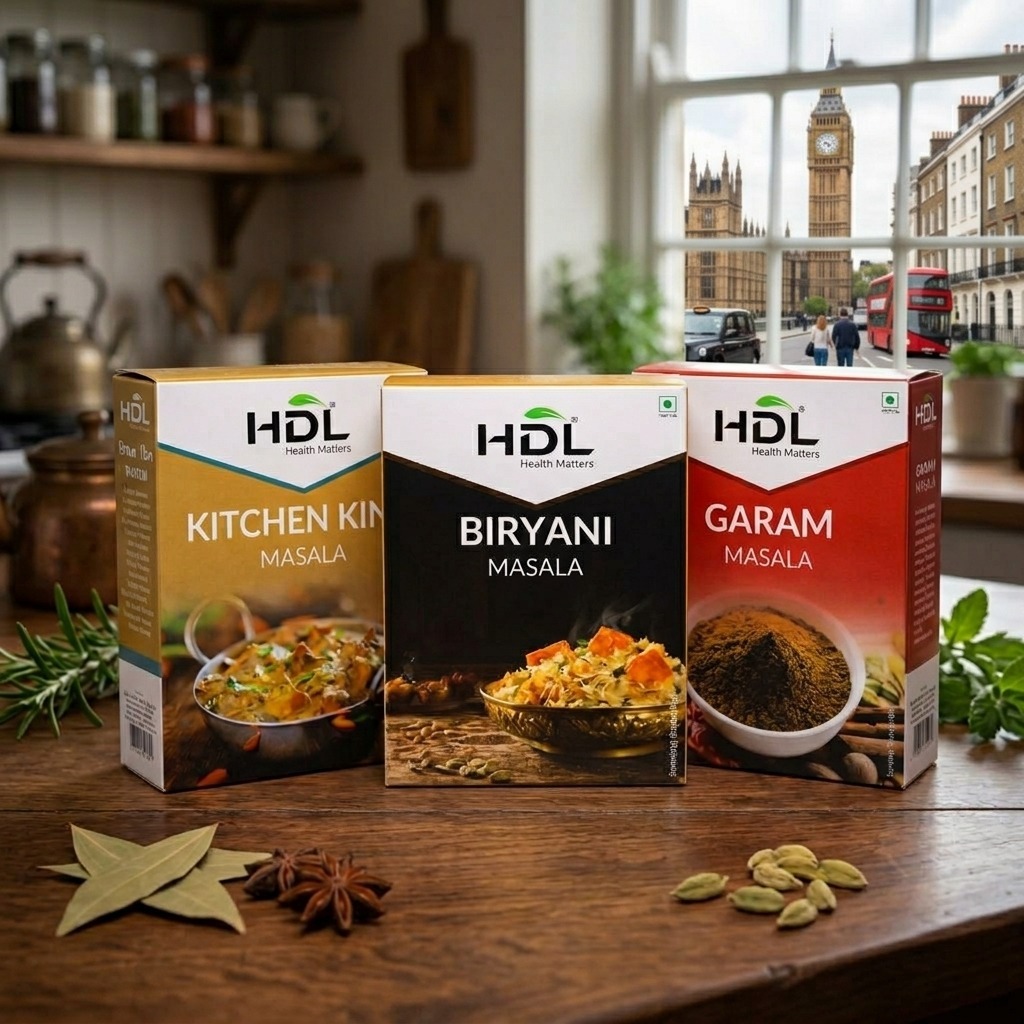
Why UK Importers Are Increasingly Sourcing Food from India
The UK’s demand for Indian food products has grown far beyond cultural consumption. What started with diaspora-driven demand is now a mainstream retail opportunity across supermarkets, wholesalers, and private-label brands.
From basmati rice to spices and pulses, India has become a critical supply hub.
According to trade insights from UN Comtrade and consumption trends highlighted by Statista, imports of ethnic and staple food products into the UK have steadily increased.
But here’s the reality most importers face:
The challenge is not finding suppliers — it’s finding reliable exporters.
The Real Problems UK Importers Face
Many UK buyers encounter the same issues when sourcing from India:
- Inconsistent product quality across shipments
- Unexpected price fluctuations
- Shipment delays due to documentation or logistics
- Poor communication from suppliers
- Retail shelf availability
- Brand reputation
- Profit margins
👉 This is why experienced importers prioritize consistency over low pricing.
Understanding What UK Buyers Actually Look For
There’s a major gap between what exporters offer and what UK buyers expect.
What Matters Most:
- Consistency in quality (batch-to-batch stability)
- Compliance with UK food safety standards
- Reliable delivery timelines
- Long-term pricing stability
Certifications Are Non-Negotiable
To enter and sustain in the UK market, exporters must comply with:
- FSSAI
- APEDA
- ISO
- HALAL certification (for specific segments)
👉 Important insight:
What Indian Food Products Are in High Demand in the UK?
The UK market for Indian food has moved beyond ethnic demand and become a mainstream retail and private-label opportunity. Indian staples are now widely sold across supermarkets, wholesalers, and food service channels. Trade data from UN Comtrade and consumer insights from Statista show steady growth in imports of rice, spices, and plant-based foods.
For UK buyers, demand is not the challenge. The real focus is on consistent supply, regulatory compliance, and long-term pricing stability. This is why importers are shifting from short-term buying to reliable sourcing partnerships.
Basmati Rice — The Largest Import Segment
Basmati rice is the most important Indian food export to the UK. It is widely used in households, restaurants, and ready-meal production. India dominates global basmati supply, making it a key sourcing partner for UK importers.
Buyers typically look for consistent grain quality, aroma, and aging standards, as these directly affect cooking performance and customer satisfaction. Even small inconsistencies can impact retail acceptance.
Key points:
- India leads global basmati exports
- UK demand is stable and high-volume
- Pricing is influenced by crop cycles and export policies
- Long-term contracts are common to reduce risk
Data references: APEDA, World Bank
Indian Spices — High Demand but Compliance-Driven
Spices are a fast-moving category in the UK, supported by growing demand for packaged foods and private-label brands. Products like turmeric, cumin, chili, and coriander are widely imported.
However, this segment is highly regulated. UK buyers focus on food safety standards, residue limits, and processing quality. Exporters must meet strict compliance requirements to avoid shipment rejection.
Key points:
- India supplies a major share of global spices
- Strong demand from retail and food processing sectors
- Compliance (quality + safety) is critical
- Growth in private label packaging
Pulses (Dal) — Stable and Price-Sensitive Market
Pulses are gaining popularity in the UK due to health trends and plant-based diets. Products like lentils and chickpeas are now common in everyday consumption.
Unlike basmati rice, this segment is more price-sensitive and competitive, with multiple sourcing options globally. Buyers often focus on cost efficiency along with consistent quality.
Key points:
- Demand driven by vegan and health-conscious consumers
- High price sensitivity
- Multi-origin sourcing reduces risk
- Quality grading and cleaning are important
Dry Fruits — Premium but Quality-Focused
Dry fruits such as cashews and almonds represent a premium segment in the UK. Demand is growing due to increased focus on healthy snacking and packaged food products.
This category requires strict quality control, including size grading, moisture levels, and shelf life consistency. Buyers expect high standards across every shipment.
Key points:
- Premium pricing potential
- Strong demand in retail and snack industry
- High quality expectations
- Sensitive to storage and handling
Key Insight
Across all categories, one trend is clear:
UK buyers prioritize reliability and consistency over low pricing.
Exporters who can maintain stable supply and quality gain long-term advantage.
Types of Indian Food Exporters Supplying to the UK
Not all exporters operate the same way. Understanding supplier types helps UK buyers choose the right partner and reduce risk.
Large-Scale Exporters
Large exporters operate at high volumes and supply multiple international markets. They are well-suited for bulk orders and long-term contracts.
They offer strong infrastructure and logistics support but may be less flexible in customization or pricing.
Key points:
- High production capacity
- Established export systems
- Suitable for large buyers
- Limited flexibility
Mid-Sized Exporters (Balanced Option)
Mid-sized exporters provide a balance between scale and flexibility. They are often preferred by importers who need custom solutions and consistent communication.
These exporters can adapt to buyer needs more easily while still maintaining structured operations.
Key points:
- Flexible pricing and packaging
- Faster communication
- Strong relationship management
- Moderate capacity
Private Label Specialists
Private label exports are growing rapidly in the UK. Supermarkets increasingly prefer products under their own brand names.
Exporters in this category offer services such as custom packaging, labeling, and compliance support.
Key points:
- Growing demand from retailers
- Higher margins for buyers
- Branding control
- Requires compliance expertise
Trader-Based Exporters (Higher Risk)
Trader-based exporters act as intermediaries rather than direct suppliers. While they may offer lower prices, they often lack control over quality and supply chains.
This can lead to inconsistency and higher long-term risk.
Key points:
- Limited quality control
- Dependence on third parties
- Inconsistent supply
- Lower reliability
How Importers Evaluate Exporters
| Layer | What to Check | Strategic Reason |
|---|---|---|
| Compliance | Certification validity | Avoid shipment rejection |
| Supply Chain | Source control vs traders | Predict quality consistency |
| Pricing Model | Fixed vs floating | Margin protection |
| Export Data | Shipment history | Proof of execution |
| Packaging | In-house capability | Lead time + quality control |
| Documentation | Process ownership | Biggest delay point |
Most importers check basics.
Smart importers go deeper:
Common Red Flags
- Frequent price changes
- Lack of transparency
- No quality assurance process
- Poor documentation handling
👉 Reality:
Most problems don’t occur in the first order —
they happen in repeat shipments.
Export Process: How Food Moves from India to the UK
Understanding the process helps importers avoid delays and hidden risks.
- Supplier sourcing
- Product quality inspection
- Documentation preparation:
- Phytosanitary certificate
- Certificate of origin
- Packaging & labeling
- Shipment (FCL/LCL containers)
- UK customs clearance
Standards and frameworks from APEDA guide this process.
👉 Key insight:
Challenges in India–UK Food Trade
Even experienced importers face challenges:
1. Price Fluctuations
Driven by:
- Crop yield
- Seasonal demand
- Currency changes
2. Logistics Disruptions
- Port congestion
- Container shortages
3. Regulatory Complexity
- Changing import rules
- Strict UK compliance checks
Insights from KPMG and PwC highlight these ongoing risks.
👉 Smart importers plan for risk buffers and supplier diversification.
Future Trends in the UK Market
Understanding where the market is going helps buyers stay ahead.
Key Trends:
- Growth of ethnic food aisles in supermarkets
- Increasing demand for organic and clean-label products
- Rise of direct sourcing from exporters (reducing intermediaries)
- Expansion of private label brands
👉 Insight:
What Makes a Reliable Indian Exporter?
After analyzing successful exporter models, a few patterns stand out:
- Strong supplier network
- Consistent quality control
- Flexible order handling
- Deep market understanding
These are the exact capabilities that define high-performing exporters like HDL Global .
👉 Important:
Reliability is built through systems — not promises.
Conclusion
Sourcing Indian food products for the UK market is no longer just about price or availability—it’s about consistency, compliance, and long-term reliability. As demand continues to grow across retail and private label segments, importers who succeed are those who partner with exporters that can deliver stable quality, predictable pricing, and smooth logistics.
The UK market rewards trust over short-term savings. A reliable exporter helps you avoid costly disruptions, protects your brand reputation, and enables scalable growth.
👉 In the end, the smartest decision isn’t choosing the cheapest supplier—
it’s choosing the one you can depend on shipment after shipment.
FAQs
Work with certified exporters who handle documentation, compliance, and logistics efficiently. This reduces delays and ensures smooth customs clearance.
Choose suppliers with strong sourcing networks, strict quality checks, and proven export experience. Always test samples before placing bulk orders.
HDL Global stands out due to its flexible order handling, certified products, and experience in managing large-scale export operations efficiently
Exporters typically need compliance with FSSAI, ISO, and APEDA along with proper labeling standards.
Reliable exporters like HDL Global focus on consistent quality, stable pricing, and strong supplier networks—key factors for long-term partnerships.
The main risks include inconsistent quality, shipment delays, and price fluctuations. These can be reduced by working with experienced exporters and clear contracts.