
Introduction:
Global food consumption patterns have become increasingly international. Many countries depend on imported grocery products to meet consumer demand and diversify retail food offerings.
International trade connects agricultural producers with markets that rely on imported ingredients. According to the Food and Agriculture Organization, global food trade plays a central role in maintaining food supply chains across regions that depend on imports.
India has become an important supplier within this system. The country exports staple commodities such as rice, pulses, and spices along with a growing range of packaged food products.
The expansion of ethnic grocery markets and international cuisines has further increased global demand for Indian FMCG products. Supermarkets and specialty retailers now stock Indian ingredients to serve multicultural consumer bases. Export companies connect these products with distributors and wholesalers worldwide.
India’s Role in Global FMCG Food Exports
India is one of the largest agricultural producers in the world. Its diverse climate allows cultivation of numerous crops including rice, spices, pulses, fruits, and oilseeds.
Export data from the Agricultural and Processed Food Products Export Development Authority shows that Indian food products are shipped to more than 200 countries worldwide. Large-scale production and established export infrastructure support this global trade network.
Indian spices hold a particularly strong position in international markets. Turmeric, cumin, coriander, chili, and other spices are widely used in food processing, restaurant supply chains, and packaged food manufacturing.
Global grocery retailers have also expanded international food sections in response to growing multicultural consumer demand. As a result, packaged Indian food products are increasingly distributed through supermarkets and specialty food stores.
Major Product Categories Exported by Indian FMCG Suppliers
Indian FMCG exporters supply a diverse portfolio of grocery products to international distributors and wholesale buyers. These products are traded through large import networks supplying supermarkets, ethnic food stores, and restaurant supply chains. The product range typically includes staple commodities as well as processed retail foods. Importers often prefer exporters capable of supplying multiple categories because it simplifies sourcing and reduces logistics costs.
some of the most commonly exported Indian FMCG product categories.
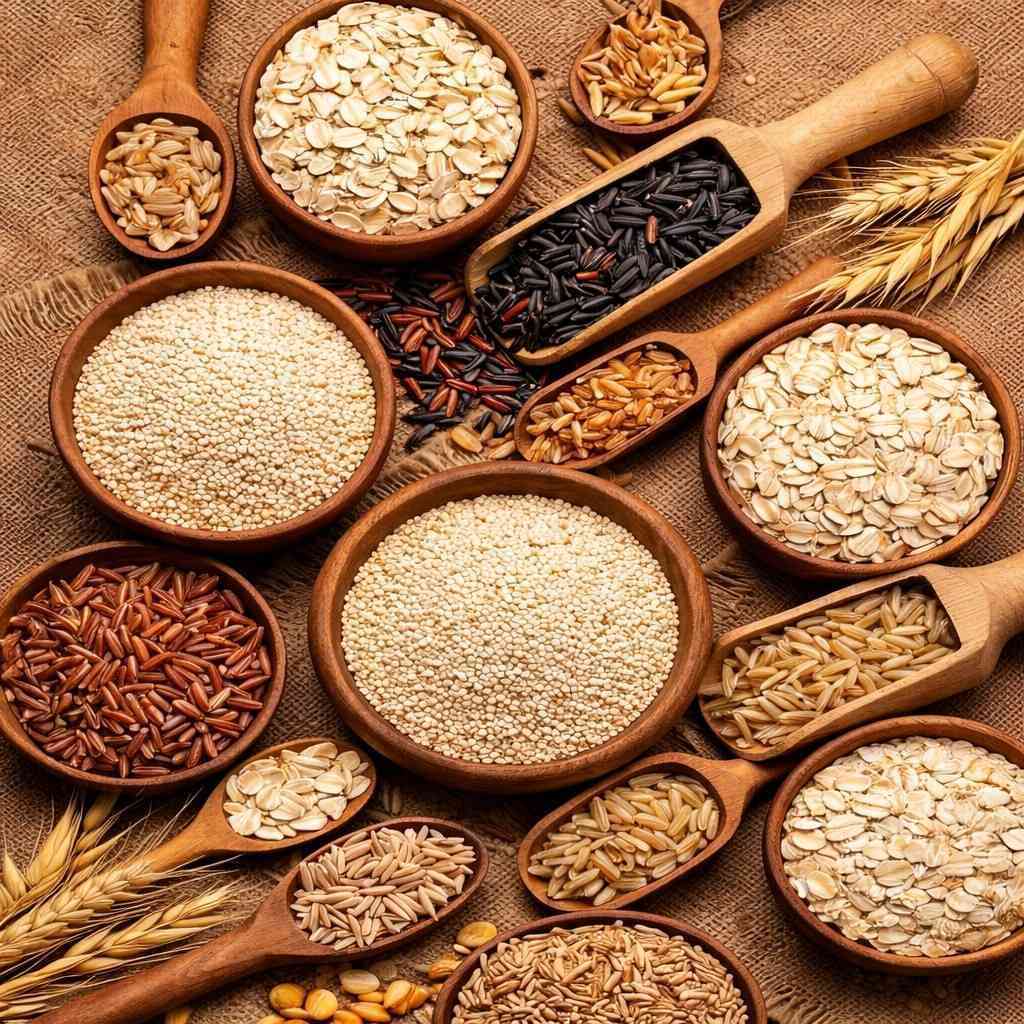
Grains & Rice
Rice is one of the most widely traded staple foods in global grocery markets. Indian exporters supply varieties such as basmati, sona masoori, ponni, and non-basmati rice, which are distributed through wholesale markets, supermarkets, and food service supply chains.
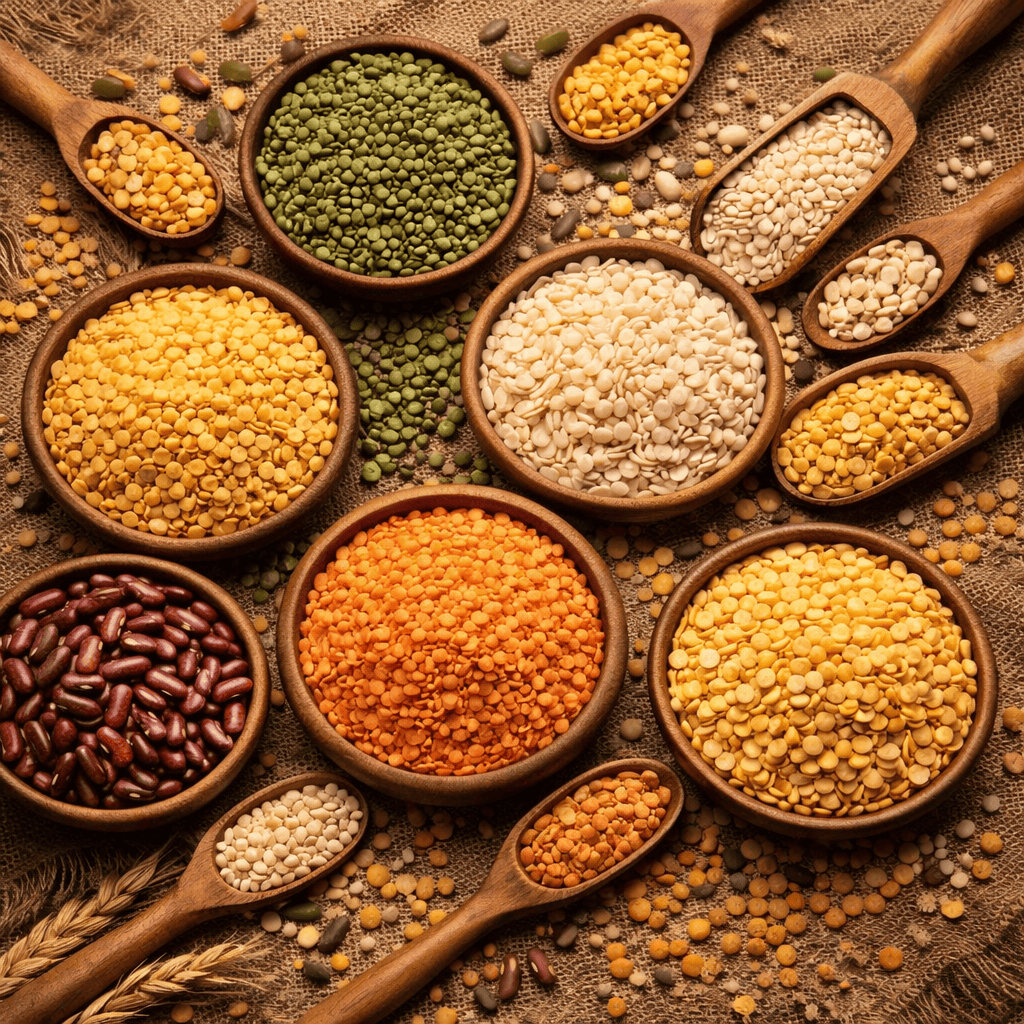
Pulses & Lentils (Dal)
Pulses are widely consumed due to their high protein content and long shelf life. Exporters commonly supply toor dal, moong dal, chana dal, urad dal, and rajma, typically shipped in bulk packaging for international grocery distributors.
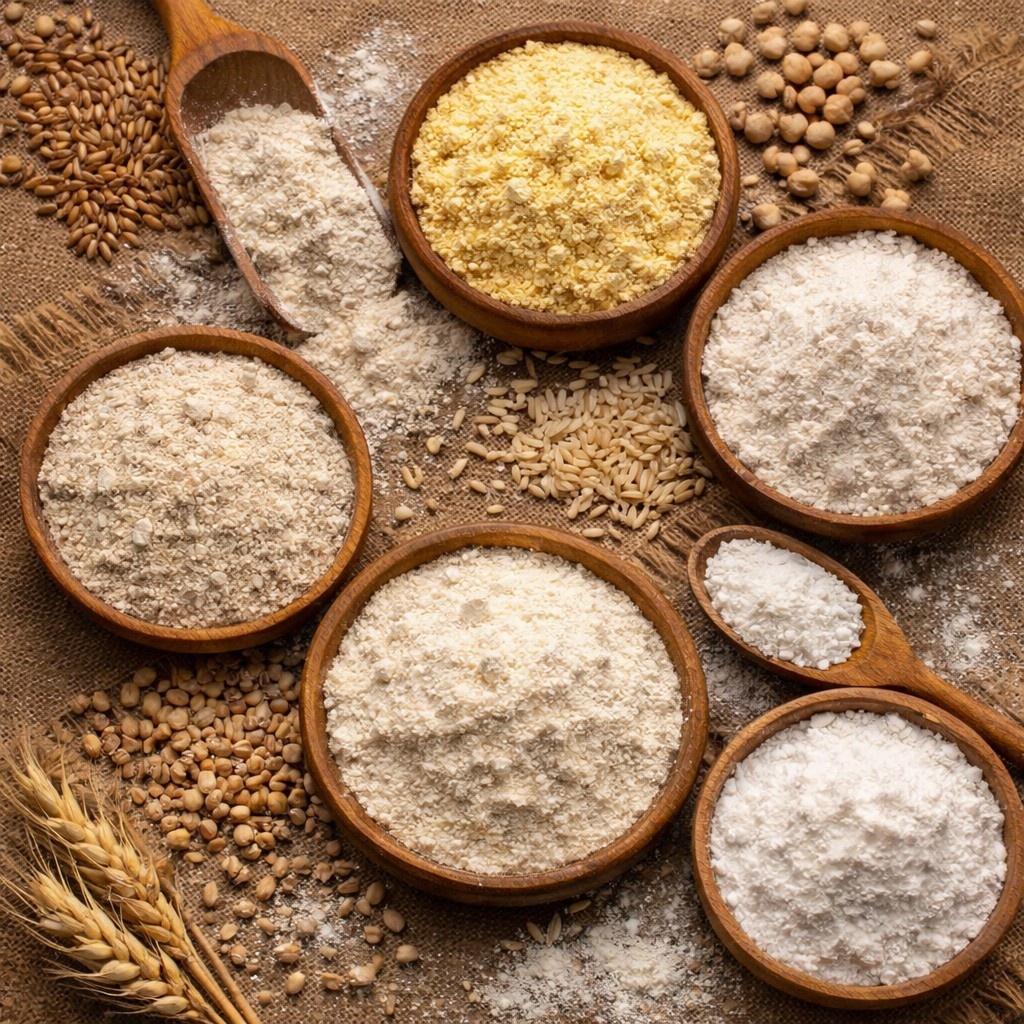
Atta & Traditional Flours
Traditional flours are widely distributed through ethnic grocery retailers and restaurant supply chains. Common exports include whole wheat flour (atta), gram flour (besan), rice flour, and millet flours used in various regional cuisines.
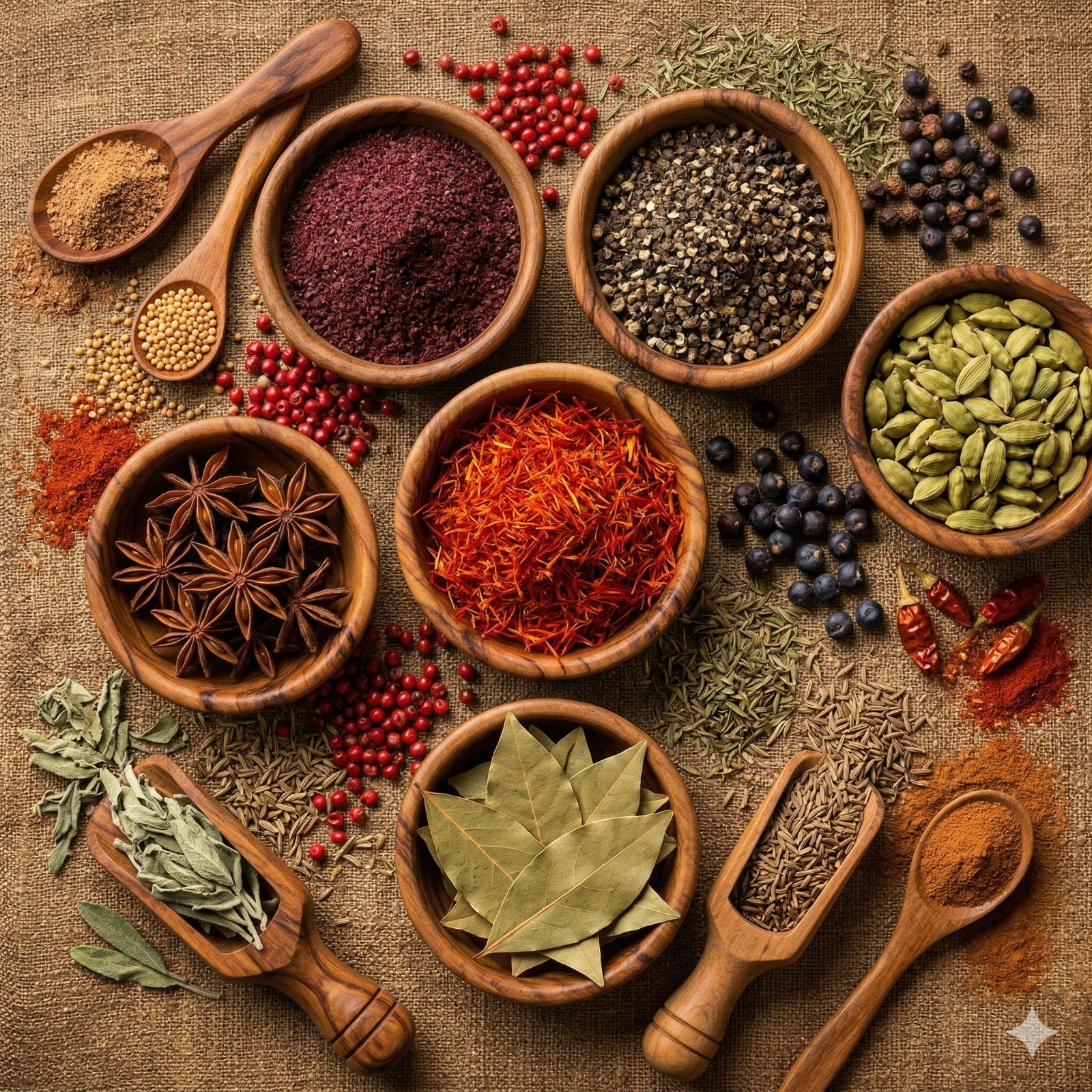
Spices & Blended Seasonings
India is a major supplier of spices used in global cuisines and food processing. Exported products include turmeric, cumin, coriander, chili powder, garam masala, and curry seasoning blends, supplied in both bulk and retail packaging formats.
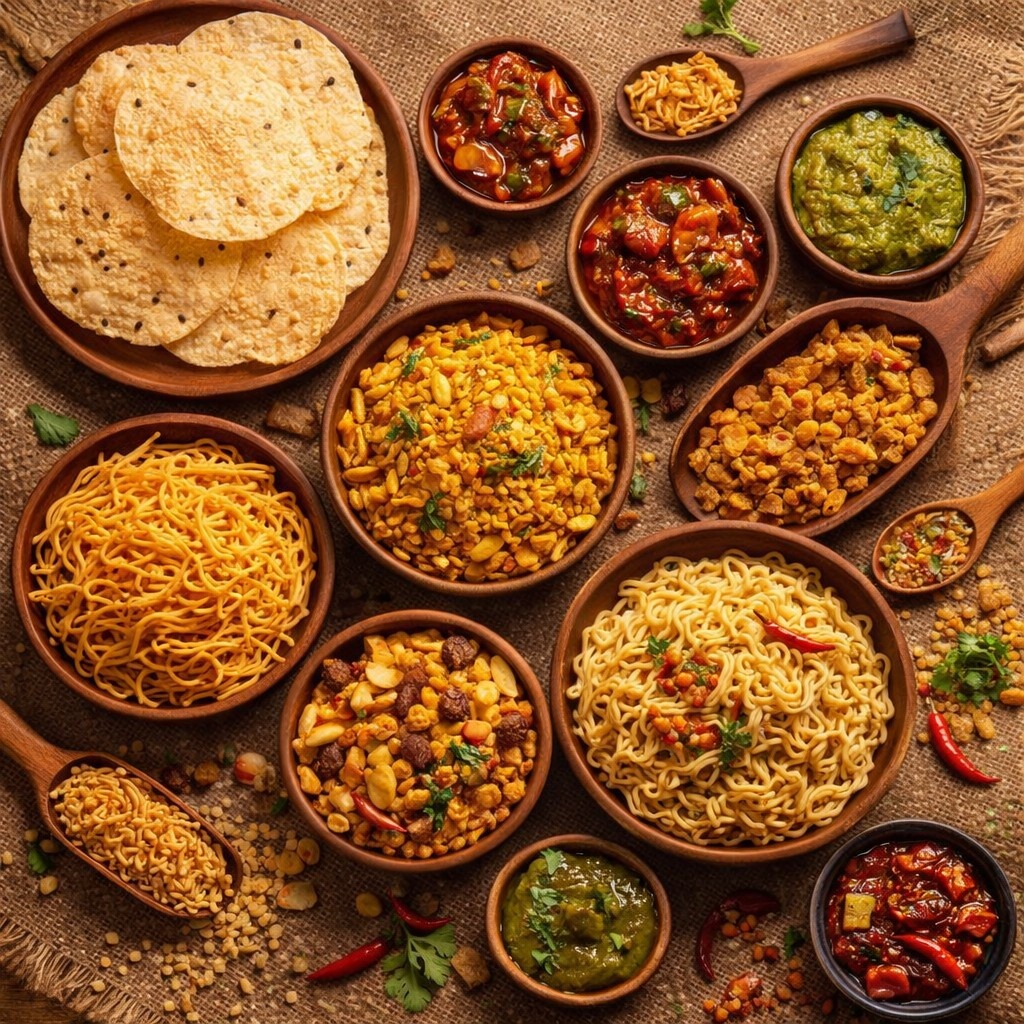
Ready-to-Eat Foods & Packaged Snacks
Convenience foods represent a growing segment of FMCG exports. Products such as instant mixes, noodles, papads, pickles, chutneys, and snack foods are commonly imported by distributors supplying international retail markets.
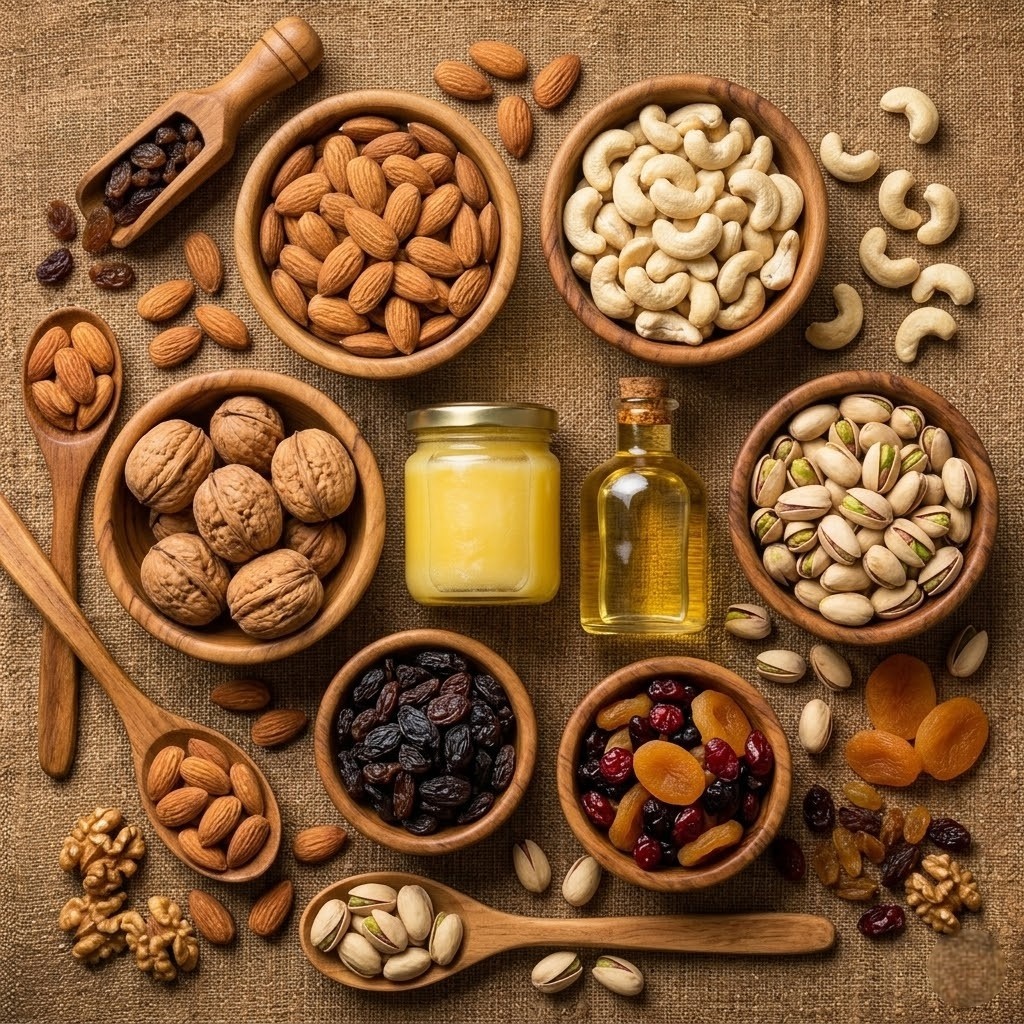
Oils, Ghee, Dry Fruits & Nuts
Cooking oils, dairy products, and dry fruits are widely traded across global grocery markets. Exported items often include edible oils, desi ghee, almonds, cashews, and raisins used in both retail and food processing industries.
Exporter vs Distributor vs Supplier in FMCG Trade
International grocery trade involves several interconnected roles.
| Role | Function |
|---|---|
| Exporter | Ships food products from producing country to global markets |
| Distributor | Supplies imported products to retailers and wholesalers |
| Supplier | Provides bulk products or private-label manufacturing |
Exporters coordinate sourcing, packaging, documentation, and international shipping.
Distributors manage regional warehouses and supply products to supermarkets, grocery stores, and food service businesses. Suppliers may produce products themselves or consolidate goods from multiple manufacturers. Many companies participate in more than one of these roles within the international food trade network.
Logistics and Compliance in Global Food Trade
Exporting food products requires careful coordination of logistics, regulatory compliance, and packaging standards.
Exporters typically manage:
- product sourcing and procurement
- packaging and labeling requirements
- export documentation
- shipping coordination
- customs clearance procedures
The World Trade Organization highlights that improvements in global logistics infrastructure have played an important role in expanding agricultural trade worldwide.
Food exporters must also comply with international safety frameworks such as Codex Alimentarius standards. These guidelines help ensure that food products traded internationally meet consistent quality and safety requirements.
Reliable logistics systems are essential to maintain product quality during international transportation.
Example Export Supply Networks: Companies Like HDL Global
Within the global FMCG export ecosystem, specialized companies connect Indian food producers with international distributors and wholesalers.
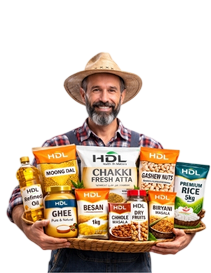
Companies such as HDL Foods India Pvt Ltd operate within this network by exporting grocery products to overseas markets. Export suppliers often provide a wide product portfolio including rice, pulses, spices, packaged foods, and dry fruits.
Many exporters also support private-label manufacturing, allowing distributors or retailers to market products under their own brand identity. Businesses researching exporters may review company information, supply capabilities, and product categories through exporter resources such as the
Food exporters must also follow international safety frameworks such as Codex Alimentarius standards, which provide globally recognized food safety guidelines.
How Importers Typically Work With Export Suppliers
International grocery distributors follow structured sourcing processes when selecting exporters. Typical steps include:
Initial Inquiry
Importers usually contact exporters to request company information and product catalogues.
This first step helps buyers understand the supplier’s export capabilities and available product categories.
Product Evaluation
Buyers review the exporter’s catalogue to evaluate available SKUs, packaging formats, and product specifications.
They may also check shelf life, labeling requirements, and suitability for local retail markets.
Pricing & Quotation
Exporters provide quotations based on product quantity, packaging format, and shipment size.
Importers compare pricing carefully because freight costs and import duties influence final retail margins.
Shipment Coordination
After confirming the order, exporters arrange packaging, documentation, and shipping schedules.
This stage includes preparing export documents and coordinating freight logistics for international delivery.
Importers interested in establishing supplier relationships often begin through exporter contact channels such as the HDL Global export inquiry page.
Global Market Presence of Indian FMCG Exporters
Indian grocery exporters supply products to a wide range of international markets.
Major import regions include:
- Middle East (GCC countries)
- Africa
- Europe
- North America
- Southeast Asia
Demand for Indian food products is influenced by diaspora populations as well as global interest in international cuisines.
Export companies frequently participate in global food trade exhibitions such as Gulfood, Indus Food, Fi Europe, and IFE London. These events connect exporters with distributors, wholesalers, and retail buyers worldwide.
Trade exhibitions continue to play a significant role in building long-term supplier relationships in international food markets.
Key Takeaways
- Global demand for Indian FMCG products continues to expand through international food trade.
- Indian exporters supply staple foods including rice, spices, pulses, and packaged grocery items.
- Exporters manage sourcing, packaging, documentation, and shipping for international markets.
- Reliable logistics and supplier relationships are critical in global food distribution networks.
- Companies such as HDL Global operate within this export ecosystem supplying international buyers.
FAQ’S
Indian exporters supply rice, spices, pulses, cooking oils, snack foods, and packaged grocery products to distributors and retailers worldwide
Indian food products are widely imported across the Middle East, Africa, Europe, North America, and Asia.
India produces a large variety of spices and has well-developed supply chains that support international seasoning markets.
Exporters commonly comply with international standards including ISO certifications, HALAL certification, FSSAI regulations, and Codex food safety guidelines.
Private-label exporting allows distributors or retailers to sell food products under their own brand while production is handled by suppliers.
Large distributors often order full container shipments containing multiple product categories to reduce transportation costs.