
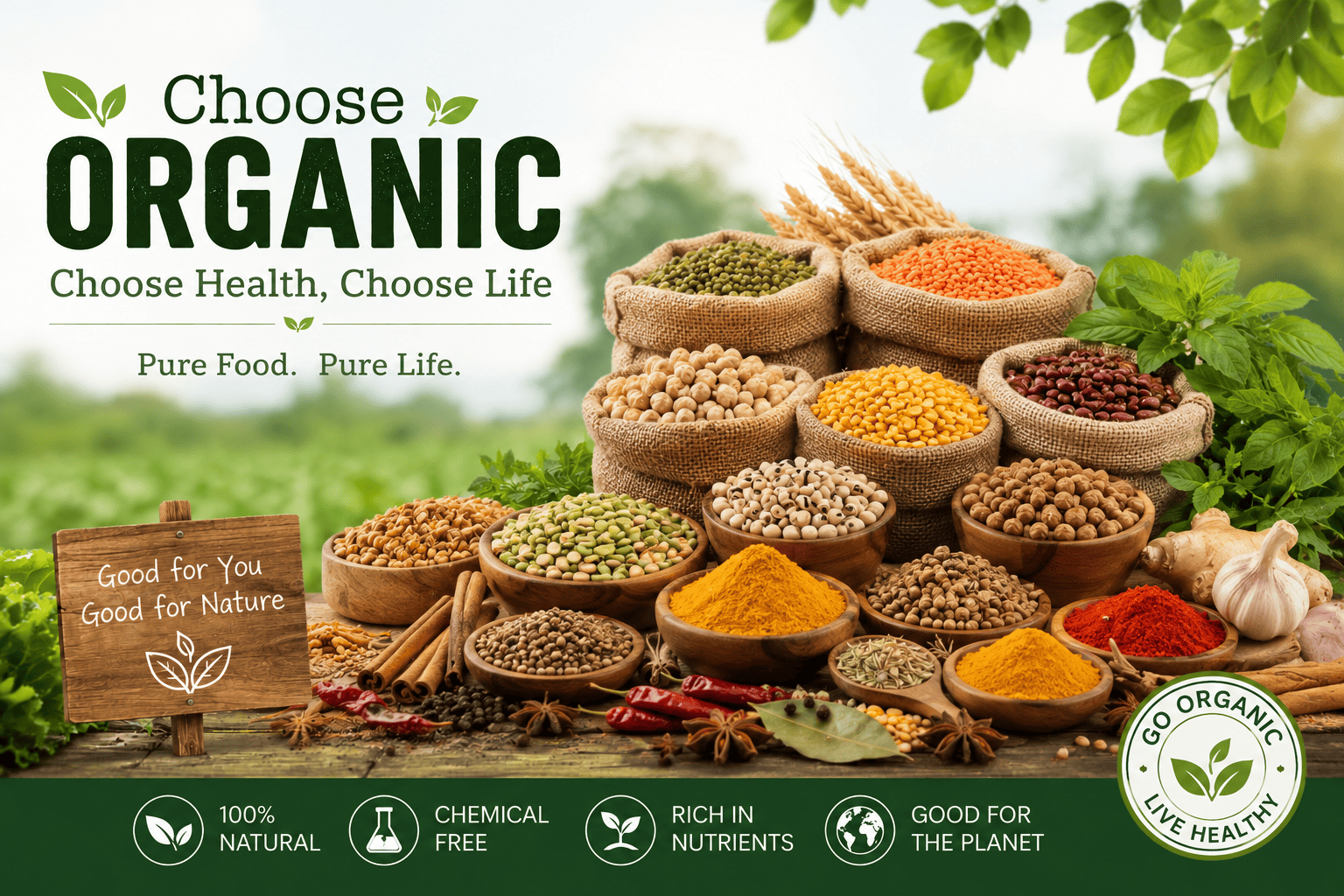
In recent years, organic foods have gained significant popularity among health-conscious consumers worldwide. As people become more aware of the impact of food on their overall well-being, the demand for organic products continues to grow. Organic foods are produced without synthetic pesticides, chemical fertilizers, genetically modified organisms (GMOs), or artificial additives. They are cultivated using natural farming methods that prioritize soil health, biodiversity, and environmental sustainability.
But what makes organic foods better for your health? Is the extra cost worth it? In this article, we will explore the many health benefits of organic foods and why they have become a preferred choice for individuals and families seeking a healthier lifestyle.
What Are Organic Foods?
Organic foods are agricultural products grown and processed according to strict standards that promote natural farming practices. Farmers who produce organic food avoid the use of harmful chemicals and focus on maintaining ecological balance.
Organic products include:
- Fruits and vegetables
- Grains and cereals
- Dairy products
- Herbs and spices
- Pulses and legumes
These foods are cultivated with methods that preserve the nutritional quality of the produce while minimizing environmental damage.
Higher Nutritional Value
One of the biggest advantages of organic foods is their nutritional content. Several studies suggest that organic fruits, vegetables, and grains may contain higher levels of certain nutrients compared to conventionally grown foods.
Organic crops often contain:
- Higher antioxidant levels
- Increased vitamin content
- More beneficial minerals
- Better concentrations of phytonutrients
Antioxidants help protect the body from oxidative stress, which can contribute to chronic diseases such as heart disease, diabetes, and certain cancers.
When you choose organic foods, you may be providing your body with a richer source of nutrients that support long-term health and wellness.
Reduced Exposure to Harmful Chemicals
Conventional farming frequently relies on synthetic pesticides and herbicides to protect crops from pests and diseases. While these chemicals help increase crop yields, traces can remain on the food we consume.
Organic farming prohibits the use of most synthetic chemicals, significantly reducing your exposure to:
- Pesticide residues
- Herbicides
- Chemical fertilizers
- Artificial growth regulators
Long-term exposure to certain agricultural chemicals has been linked to various health concerns, including hormonal disruption and neurological issues. By consuming organic foods, you can reduce the amount of these substances entering your body.
Free from Genetically Modified Organisms
Many consumers choose organic foods because they are produced without genetically modified organisms. Organic certification standards prohibit the use of GMOs throughout the production process.
Although scientific debate continues regarding the long-term effects of GMOs, many individuals prefer organic products for peace of mind and transparency. Organic labeling allows consumers to make informed decisions about the food they eat.
Organic Foods and the Global Food Industry
The global food market has witnessed remarkable growth in organic agriculture. Countries with strong agricultural traditions are expanding their organic production to meet international demand.
India, in particular, has emerged as a major supplier of agricultural products. A leading Indian Food Exporter plays an important role in delivering high-quality organic products to markets around the world.
Consumers increasingly seek authentic and naturally produced food products, creating new opportunities for businesses engaged in Indian grocery exports. Organic grains, rice, herbs, and traditional food products from India continue to gain popularity across international markets.
Growing Demand for Organic Spices
Spices are an essential component of healthy cooking and have long been valued for their medicinal properties. Organic spices are cultivated without synthetic pesticides, preserving their purity and nutritional value.
The global market for organic spices is expanding rapidly, benefiting companies involved in Indian Spices exports. India is renowned for producing a wide variety of premium spices, including:
- Turmeric
- Cumin
- Coriander
- Cardamom
- Black pepper
These spices not only enhance flavor but also provide numerous health benefits, including anti-inflammatory and antioxidant properties.
Organic Pulses: A Nutritional Powerhouse
Pulses are an excellent source of plant-based protein, dietary fiber, and essential nutrients. Organic pulses offer all these benefits while minimizing exposure to chemical residues.
The rising demand for healthy and sustainable protein sources has strengthened the market for Indian Pulses exports. Popular organic pulses include:
- Chickpeas
- Lentils
- Green gram
- Black gram
- Pigeon peas
Regular consumption of organic pulses can support muscle health, digestion, and blood sugar management.
Why Families Are Switching to Organic Foods
Modern consumers are becoming more conscious about food quality and safety. Families are increasingly choosing organic products because they offer:
- Cleaner ingredients
- Reduced chemical exposure
- Better nutritional value
- Environmental responsibility
- Greater transparency in food production
Parents, in particular, often prefer organic options for children due to concerns about pesticide residues and artificial additives.
The Future of Organic Foods
The future of organic foods looks promising as consumers continue to prioritize health, sustainability, and food transparency. Advances in organic farming techniques and increasing awareness about nutrition are expected to drive further growth in the industry.
The expansion of international food exports, along with increasing participation from every major Indian Food Exporter, is helping make organic products more accessible to consumers worldwide. At the same time, sectors such as Indian grocery exports, Indian Spices exports, and Indian Pulses exports are contributing significantly to the global supply of nutritious and sustainable food products.
Conclusion
Organic foods offer numerous health benefits, including higher nutritional value, reduced exposure to harmful chemicals, improved digestive health, and stronger immune support. They also promote environmental sustainability and encourage responsible farming practices.
As awareness of healthy eating continues to rise, organic foods are becoming an important part of modern diets. Whether you are choosing fresh produce, organic spices, or nutrient-rich pulses, investing in organic products is an investment in your health and the future of our planet.
By supporting sustainable agriculture and trusted sources involved in Indian grocery exports, Indian Spices exports, Indian Pulses exports, and international food exports, consumers can enjoy high-quality food while contributing to a healthier and more sustainable global food system.
FAQ’s :
Organic foods are products grown and processed without synthetic pesticides, chemical fertilizers, genetically modified organisms (GMOs), or artificial additives. They are produced using natural farming methods that promote soil health and environmental sustainability.
Organic foods may contain higher levels of antioxidants, vitamins, and beneficial plant compounds. They also reduce exposure to synthetic pesticides and chemical residues, making them a preferred choice for many health-conscious consumers.
Organic farming often requires more labor, stricter certification processes, and environmentally friendly practices. These factors can increase production costs, which are reflected in the final price of organic products.
Organic farming may use approved natural pesticides when necessary, but it prohibits most synthetic pesticides commonly used in conventional agriculture. As a result, organic foods generally have lower pesticide residue levels.
Some of the most popular organic pulses include chickpeas, lentils, green gram (moong), black gram (urad), and pigeon peas (toor). These pulses are rich in protein, fiber, vitamins, and minerals.