
Intro
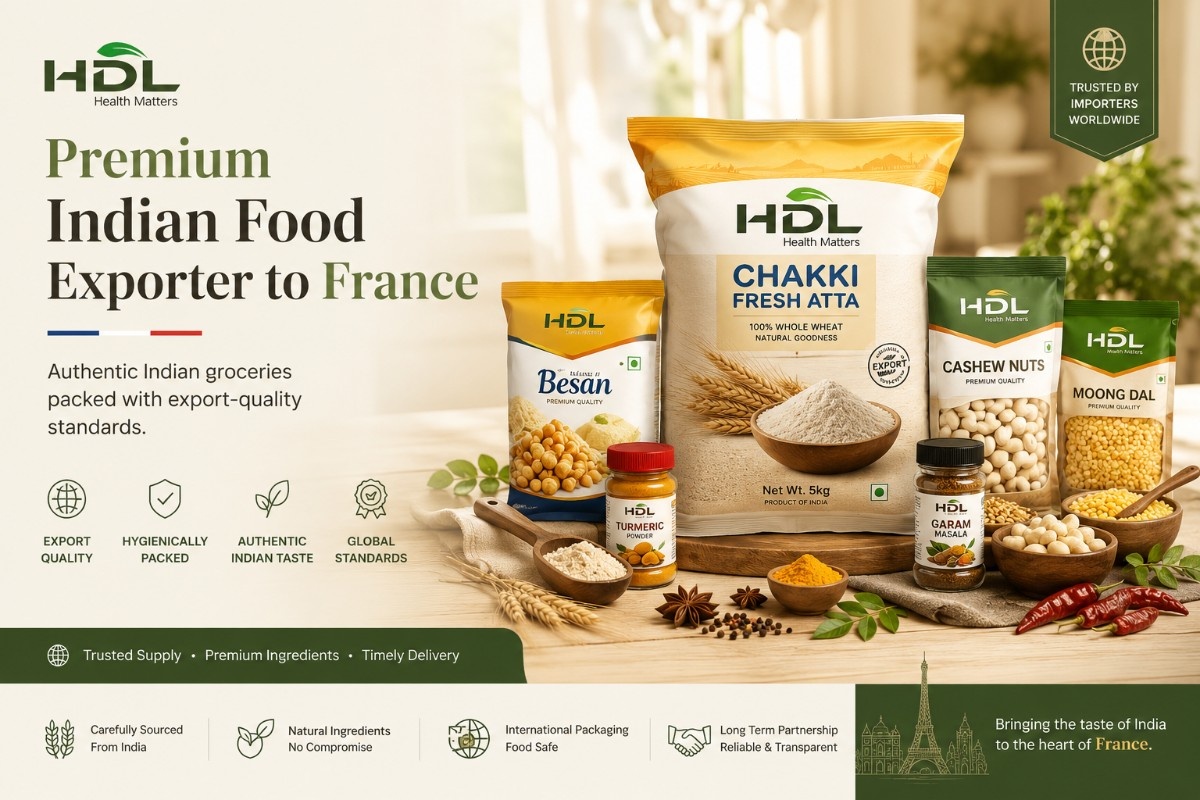
France is evolving beyond a traditional ethnic grocery market into a broader premium food opportunity shaped by multicultural consumption, wellness-oriented purchasing, and growing demand for authentic international products across Europe.
According to European Commission Agri-Food Trade Data, the EU imports large volumes of Indian agri-food products, especially rice, spices, tea, and processed foods. According to Eurostat Data India also remains the EU’s leading turmeric supplier, accounting for nearly 79% of turmeric imports into Europe,
For companies like HDL Global, France’s mature retail infrastructure and central position within the EU make it an important distribution gateway for imported grocery products entering wider European markets.
Rice & Grains
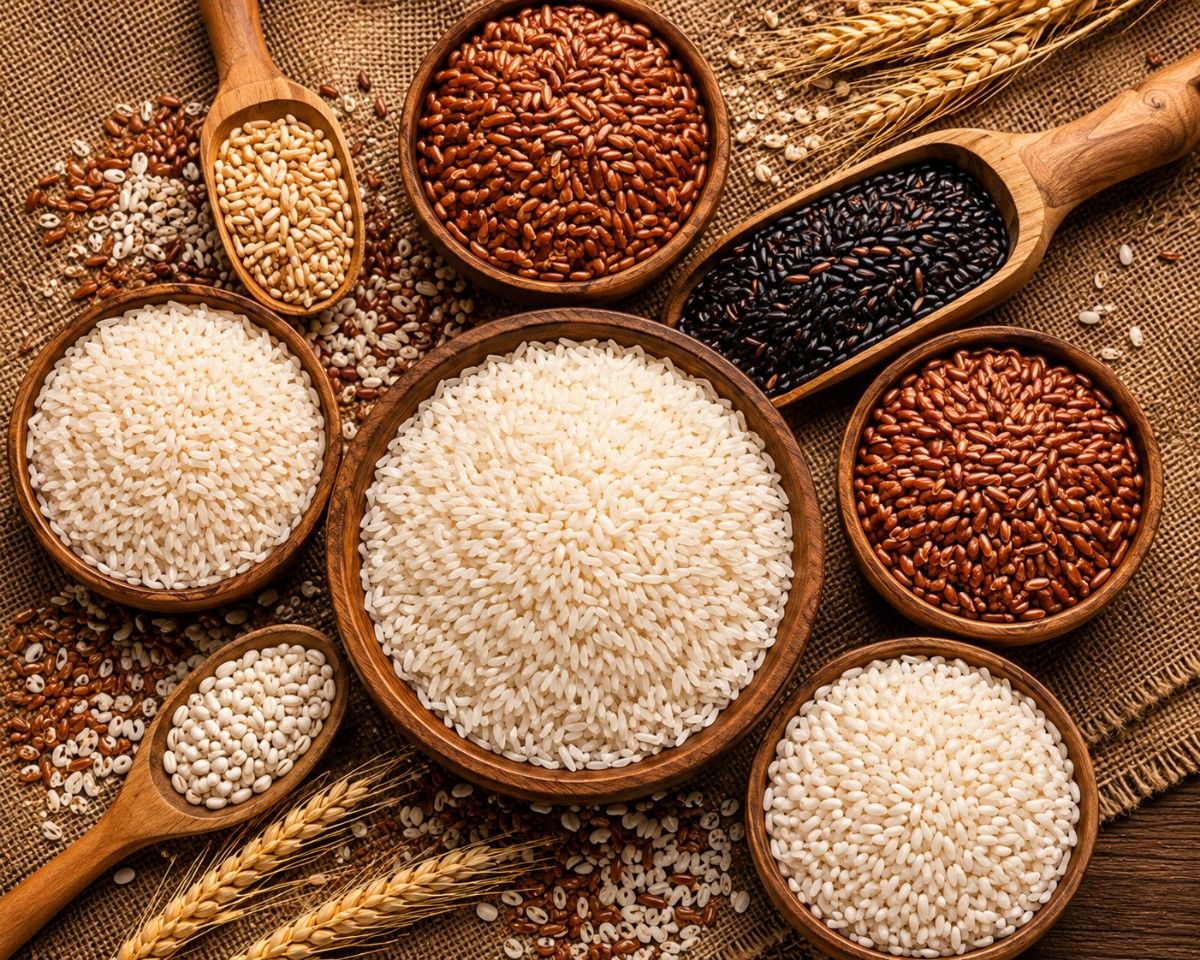
Export-quality Indian rice and grains including aromatic basmati rice widely used in restaurants and food distribution channels across France.
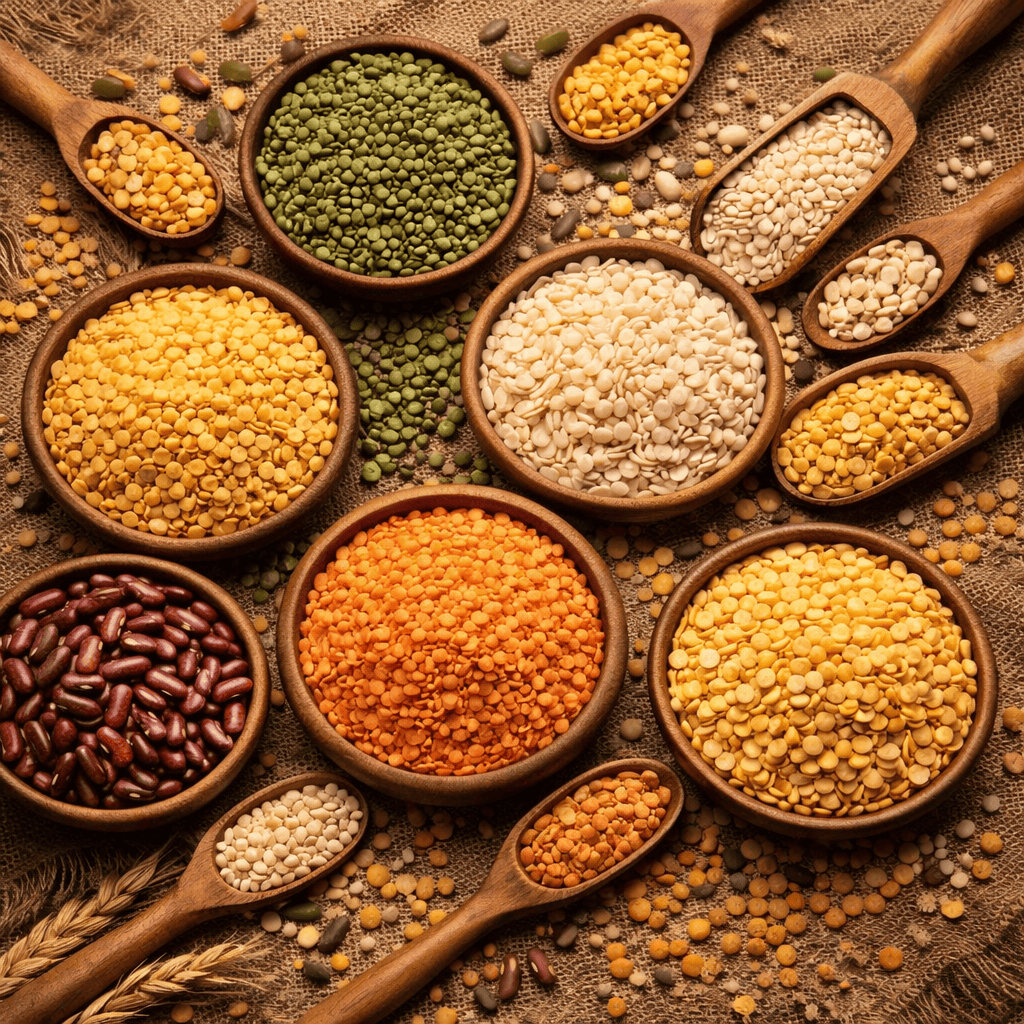
Pulses & Lentils
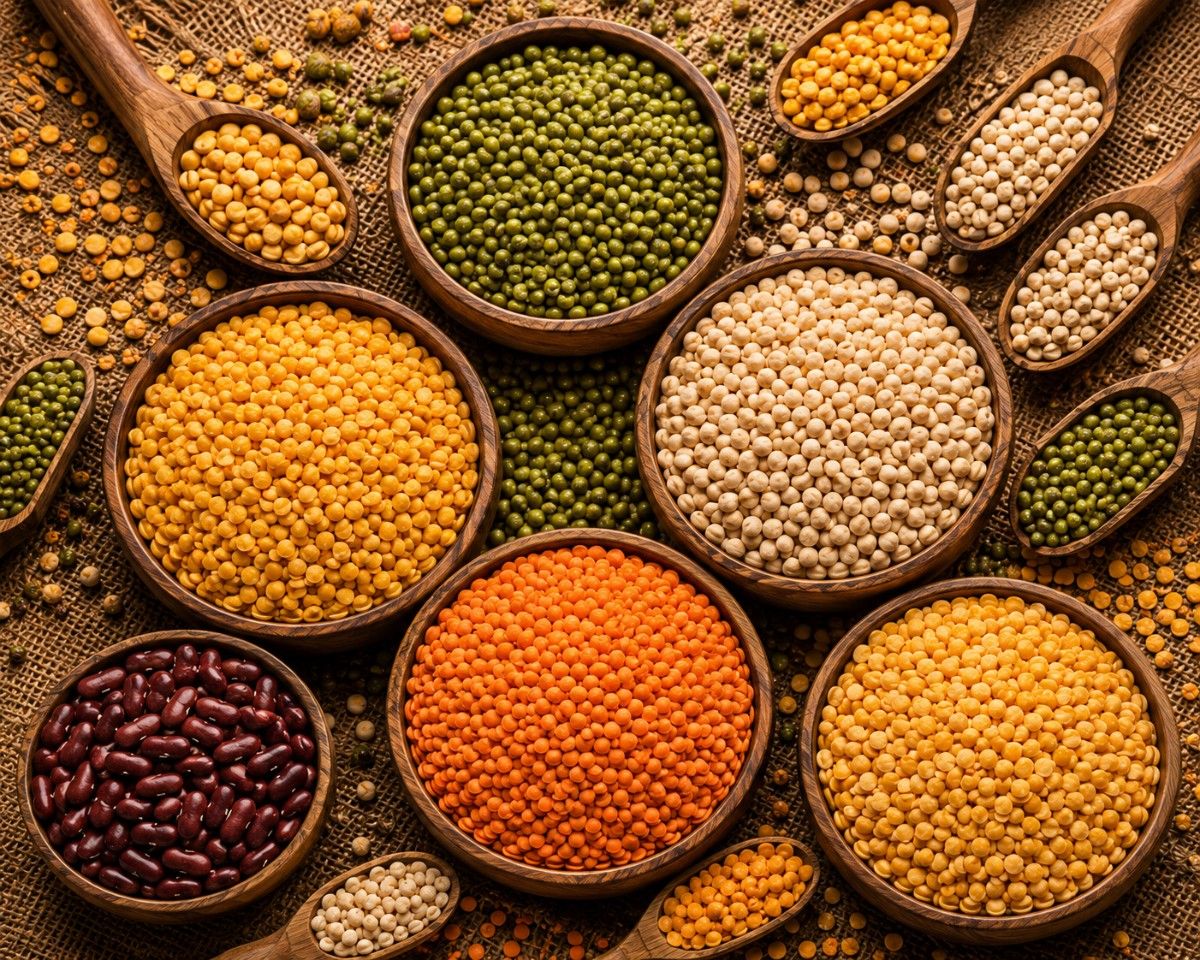
High-quality Indian lentils and pulses processed for international standards and suitable for retail, horeca, and wholesale markets in France.
Ready-to-Eat Indian Foods
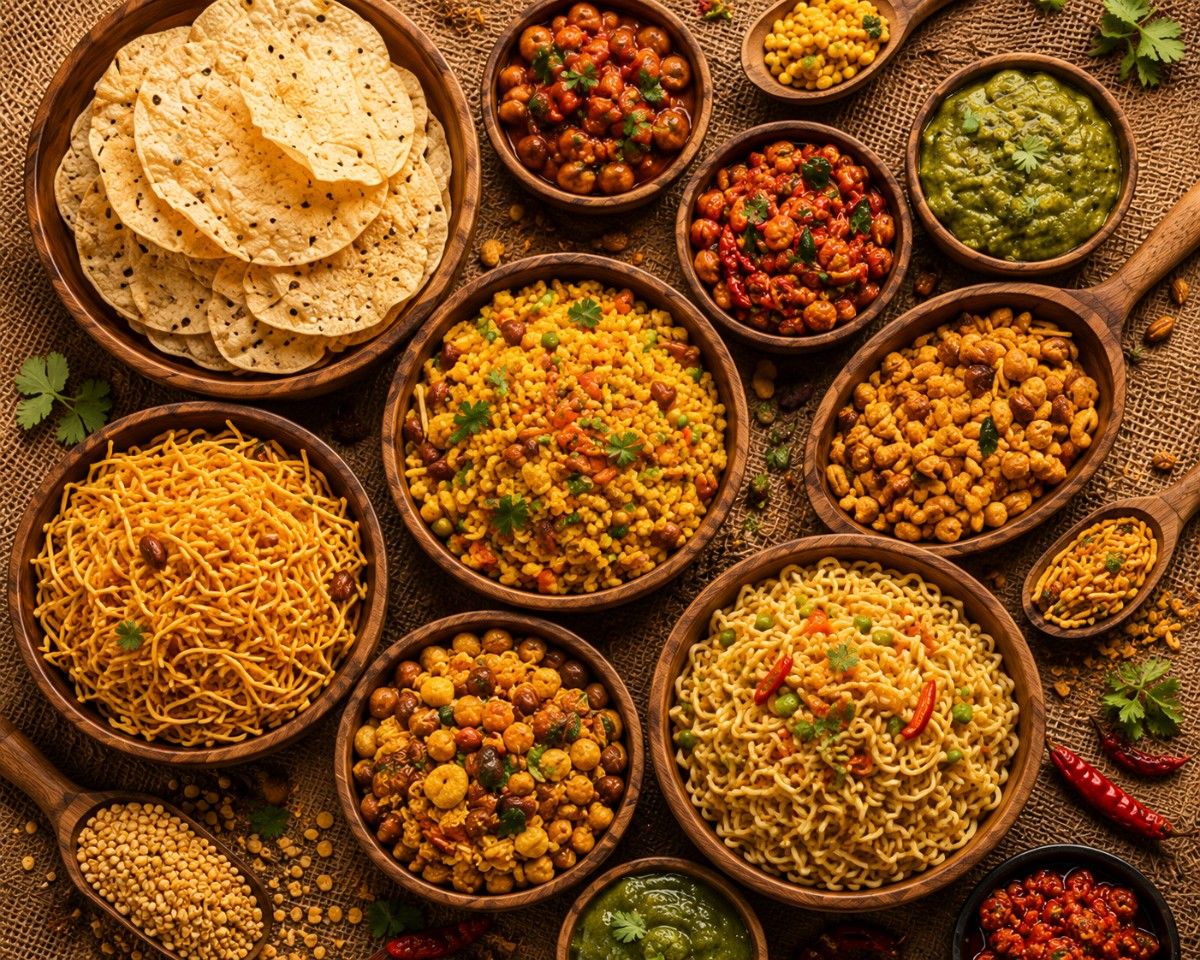
Convenient Indian ready meals and instant food products created for modern consumers seeking authentic Indian taste with easy preparation.
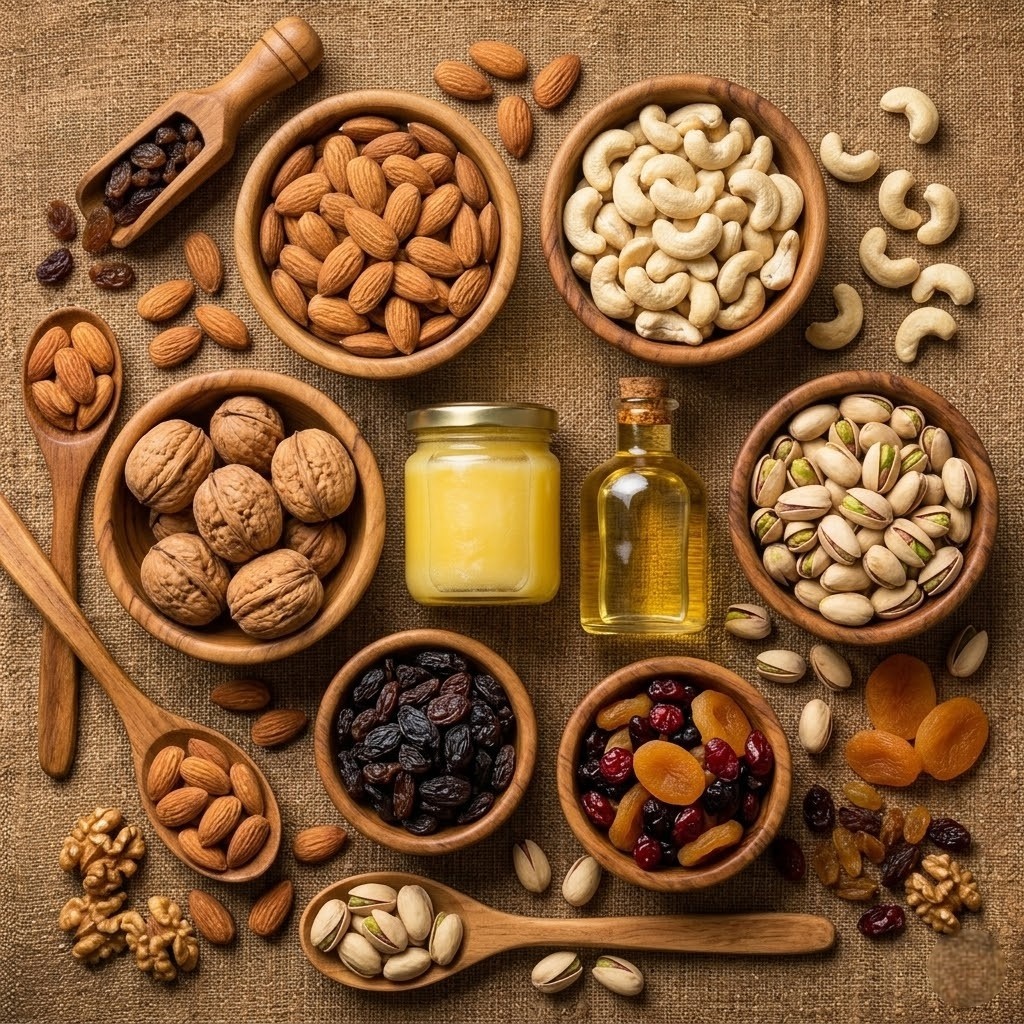
India Dry Fruits & Nuts & Ghee, Oil
Carefully sourced dry fruits and nuts offering freshness, nutrition, and premium quality for French consumers and food businesses.
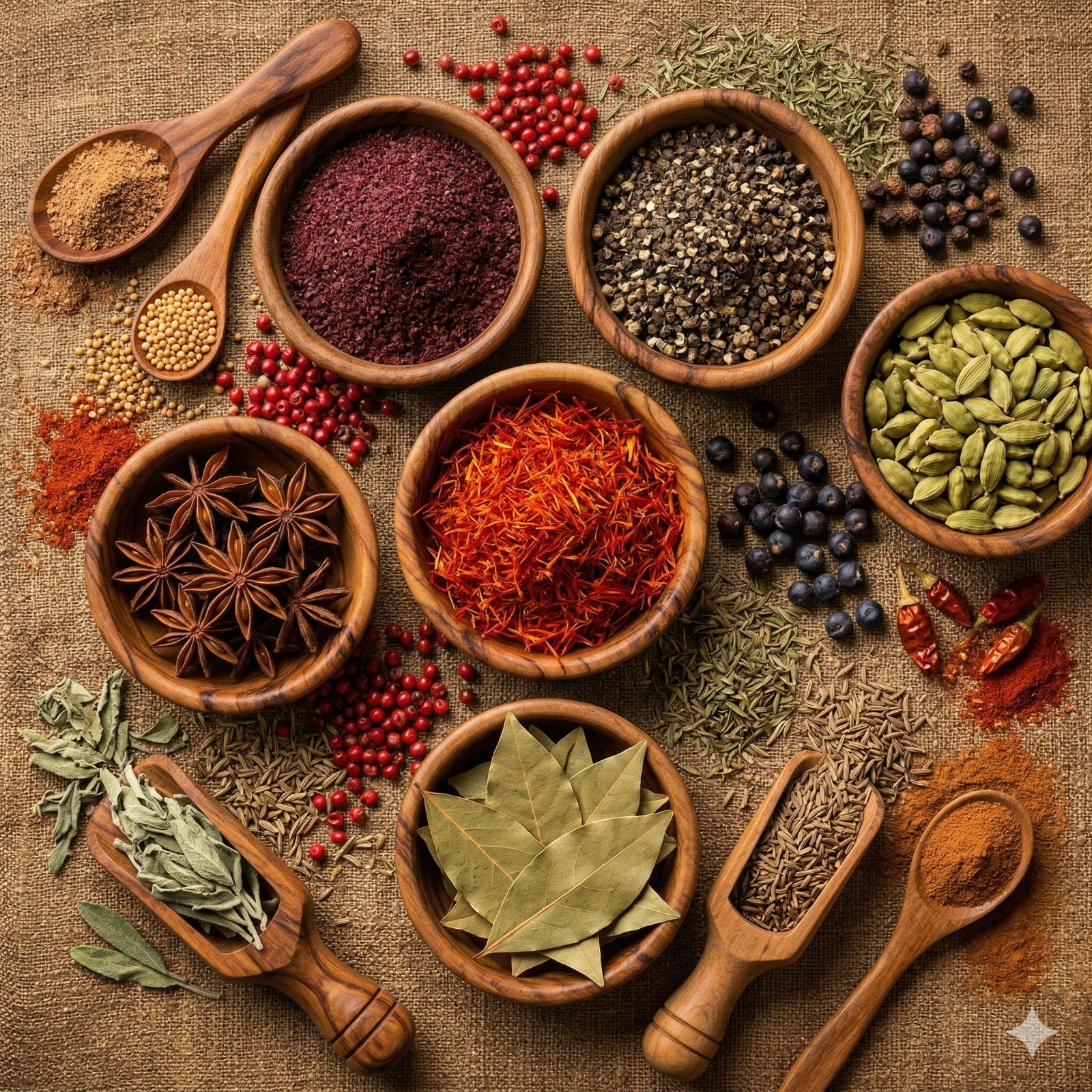
Indian Spices & Seasonings
Premium Indian spices and seasoning blends exported to France for authentic flavor, aroma, and consistent food quality.
FMCG Food Products
A wide range of Indian grocery and FMCG products designed for supermarkets, ethnic stores, and food importers in France.
Why France Is Becoming an Important Market for Indian Food Exporters
France is becoming an increasingly important destination for Indian grocery and FMCG products as consumer interest in authentic international cuisine continues to grow. According to Grand View Research, demand for ethnic foods in France is expected to expand steadily in the coming years.
French consumers are increasingly exploring products associated with authentic cooking traditions, including Indian spices, basmati rice, pulses, ready-to-cook meals, and wellness-oriented grocery categories. through multicultural grocery stores, restaurants, and modern retail channels.
At the same time, In France, imported food products are often evaluated not only on taste or pricing, but also on packaging presentation, documentation accuracy, sourcing transparency, and long-term supply reliability.
Common Mistakes French Buyers Make When Sourcing Indian Food Products
Choosing Suppliers Based Only on Price
Low-cost sourcing may reduce product consistency, packaging quality, traceability, and long-term reliability. French importers often benefit more from stable partnerships than short-term pricing advantages.
Ignoring EU Compliance Verification
Some buyers fail to verify certifications, labeling standards, or documentation processes before ordering. This may create customs delays, regulatory issues, or retail distribution challenges within European markets.
Overlooking Packaging Quality
In French retail environments, packaging frequently shapes first-purchase perception before consumers evaluate product familiarity or brand recognition, Products with unclear labeling, weak design, or non-localized packaging may struggle in premium retail and multicultural grocery environments.
Not Checking Supply Chain Stability
Irregular inventory management or inconsistent shipping timelines can affect retail operations. French distributors often prioritize suppliers capable of maintaining predictable supply continuity throughout the year.
Choosing Generic Product Portfolios
French consumers increasingly seek authentic, premium, and differentiated food experiences. Generic product offerings without cultural positioning or quality storytelling may limit long-term retail appeal.
Ignoring Consumer Preference Trends
Demand in France continues shifting toward wellness-oriented, plant-based, organic, and convenience-driven foods. Buyers focusing only on traditional categories may miss emerging growth opportunities.ss-oriented, plant-based, organic, and convenience-driven foods. Buyers focusing only on traditional categories may miss emerging growth opportunities.
Future Trends Shaping Indian Food Imports in France
Private Label Demand Is Growing in Ethnic Grocery Segments
As multicultural food demand rises in France, importers are seeking suppliers capable of offering customized packaging, flexible product ranges, and retail-ready branding solutions tailored for local markets.
Export-oriented companies such as HDL Global are operating within a market increasingly influenced by private label growth and customized retail sourcing requirements.
Premium Indian Grocery Products Are Gaining Demand
French consumers are increasingly exploring authentic international foods with premium positioning. Products such as Indian spices, basmati rice, dry fruits, pulses, and specialty groceries are becoming more visible across multicultural retail shelves and foodservice networks.
Ethnic Food Consumption Continues Expanding
According to Grand View Research, France’s ethnic food market is expected to grow steadily as younger consumers seek authentic global flavors and culturally diverse food experiences.
Retail Buyers Are Prioritizing Export-Ready Packaging
French importers increasingly evaluate packaging quality before onboarding suppliers. Clean labeling, multilingual packaging, ingredient transparency, and retail-ready presentation are becoming important factors in grocery sourcing decisions.
Wellness-Focused Grocery Categories Are Growing
Products linked to natural nutrition and traditional ingredients continue gaining attention in France. Categories such as millets, pulses, turmeric, dry fruits, and spice blends align with broader wellness-oriented food consumption trends across Europe.
How HDL Global Supports International Food Export Growth
As European buyers increasingly prioritize compliance readiness, packaging quality, and supply consistency, export-focused suppliers are adapting their operations to align with evolving international retail expectations with growing emphasis on compliance, packaging quality, and reliable supply chain management, export businesses increasingly require partners that understand global buyer expectations.
For international food suppliers operating in European markets, long-term competitiveness increasingly depends on:
- operational consistency
- documentation accuracy
- export-ready packaging
- scalable logistics coordination
- transparent sourcing systems
As global food trade becomes more competitive, exporters that prioritize operational reliability and international standards are better positioned for sustainable growth.
Conclusion
France continues to emerge as an important market for internationally sourced grocery products as European consumers increasingly seek authentic, premium, and culturally diverse food experiences . However, long-term success depends on more than product availability. French buyers increasingly prioritize packaging quality, compliance, sourcing transparency, and supply consistency.
As export-focused companies such as HDL Global operate within this evolving market, businesses that combine operational reliability with export-ready presentation may be better positioned for sustainable growth in France.
FAQs
Indian spices, basmati rice, pulses, frozen snacks, and ready-to-cook foods continue gaining visibility across French retail and multicultural grocery channels.
French buyers often evaluate packaging quality, labeling clarity, and retail presentation before onboarding international food suppliers or introducing products into retail environments.
As compliance and retail expectations evolve, companies such as HDL Global operate within a market increasingly shaped by packaging readiness, documentation accuracy, and scalable supply capabilities.
Exporters generally require compliance with EU food safety standards, ingredient traceability requirements, and documentation frameworks such as FSSAI and APEDA registration.
Many international buyers now seek customized packaging and retail-ready product solutions, leading export-focused suppliers such as HDL Global to operate in increasingly private-label-driven sourcing environments
Buyers typically review operational consistency, packaging standards, sourcing transparency, logistics reliability, and digital credibility before establishing long-term sourcing partnerships.